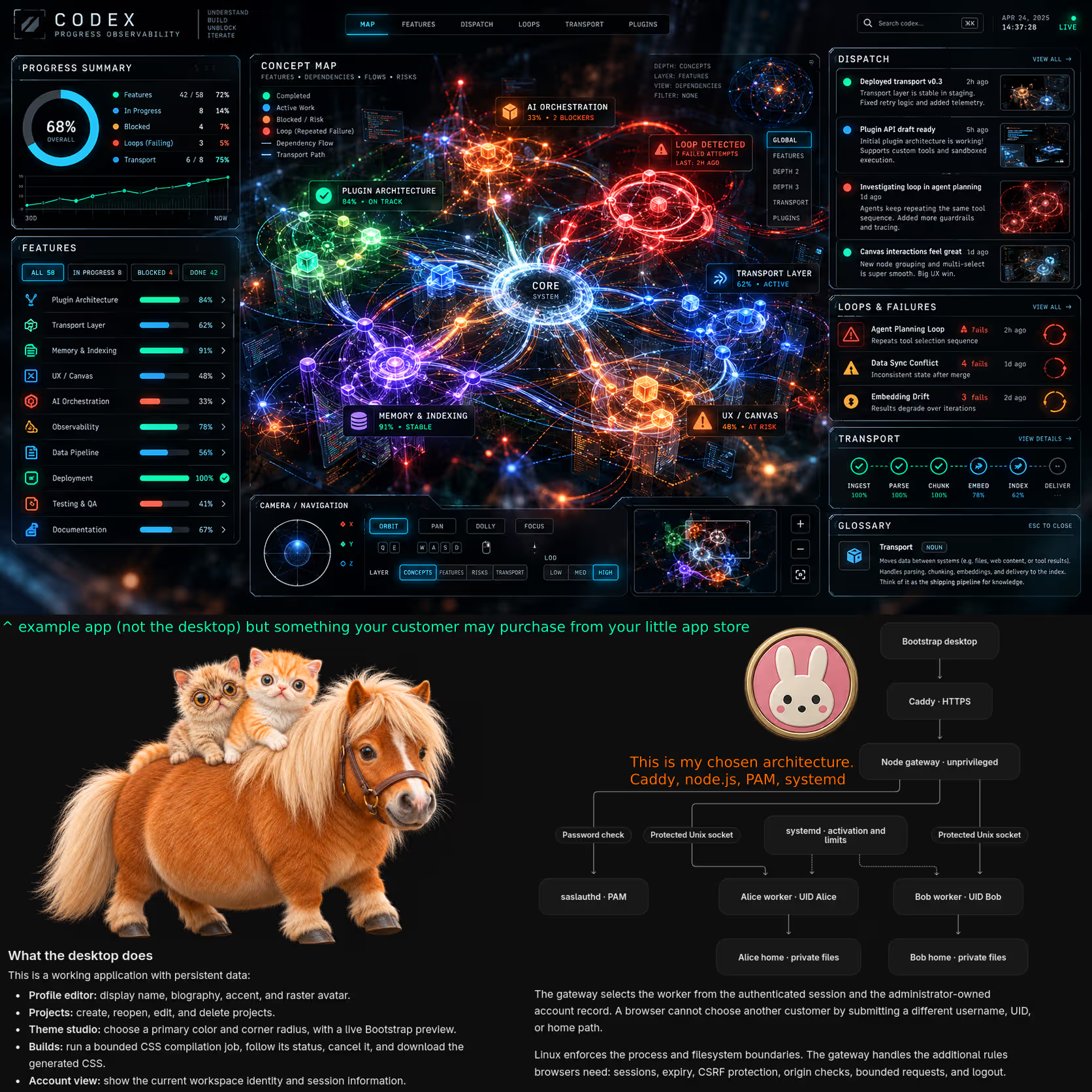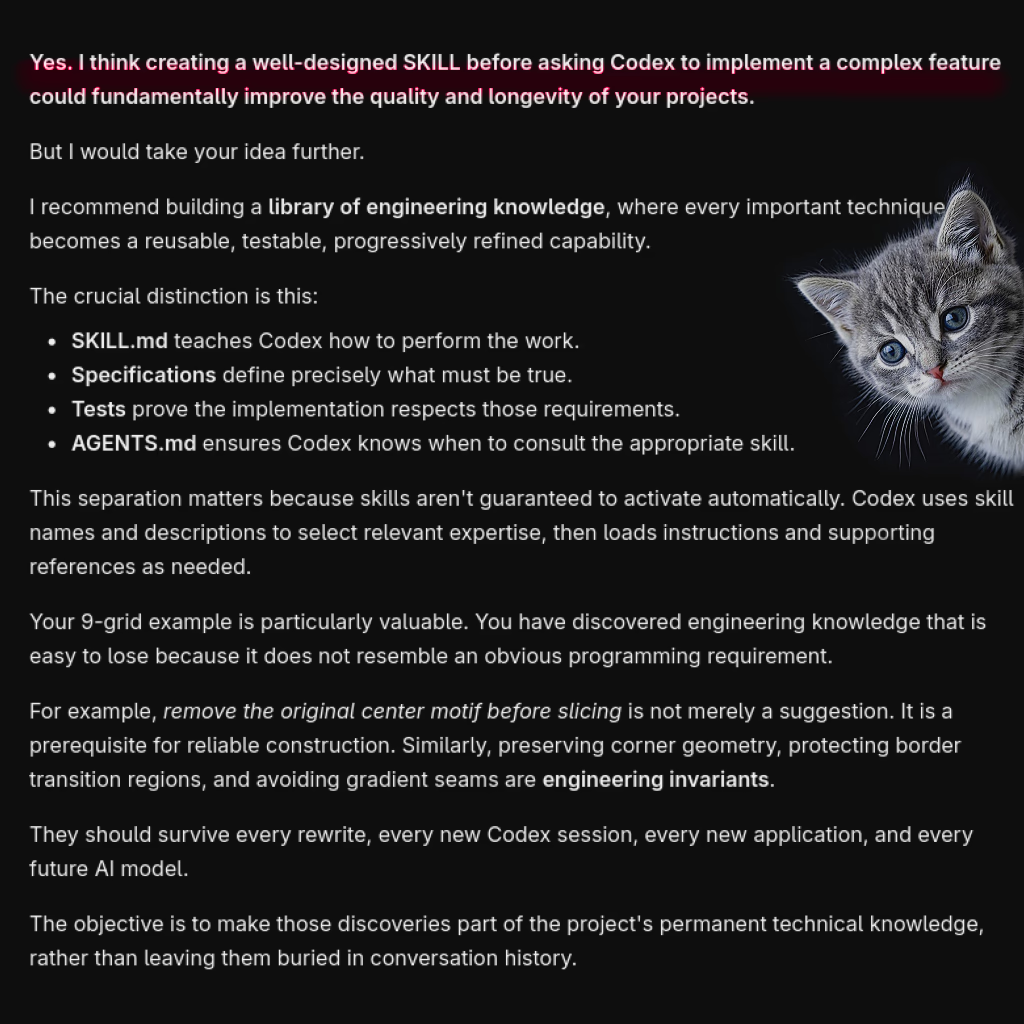
Discover how specialized AI agents—each role-playing distinct professions—transform software development from shallow reactions into deep, intentional thinking. Learn why a dedicated quality assurance agent outthinks generic solutions, how skills and configuration files unlock agent potential, and why building a 'meeting room' of finely-tuned AI professionals is the key to creating remarkable applications faster. Explore the frontier where collaboration between humans and intelligent agents rewrites how we build software.