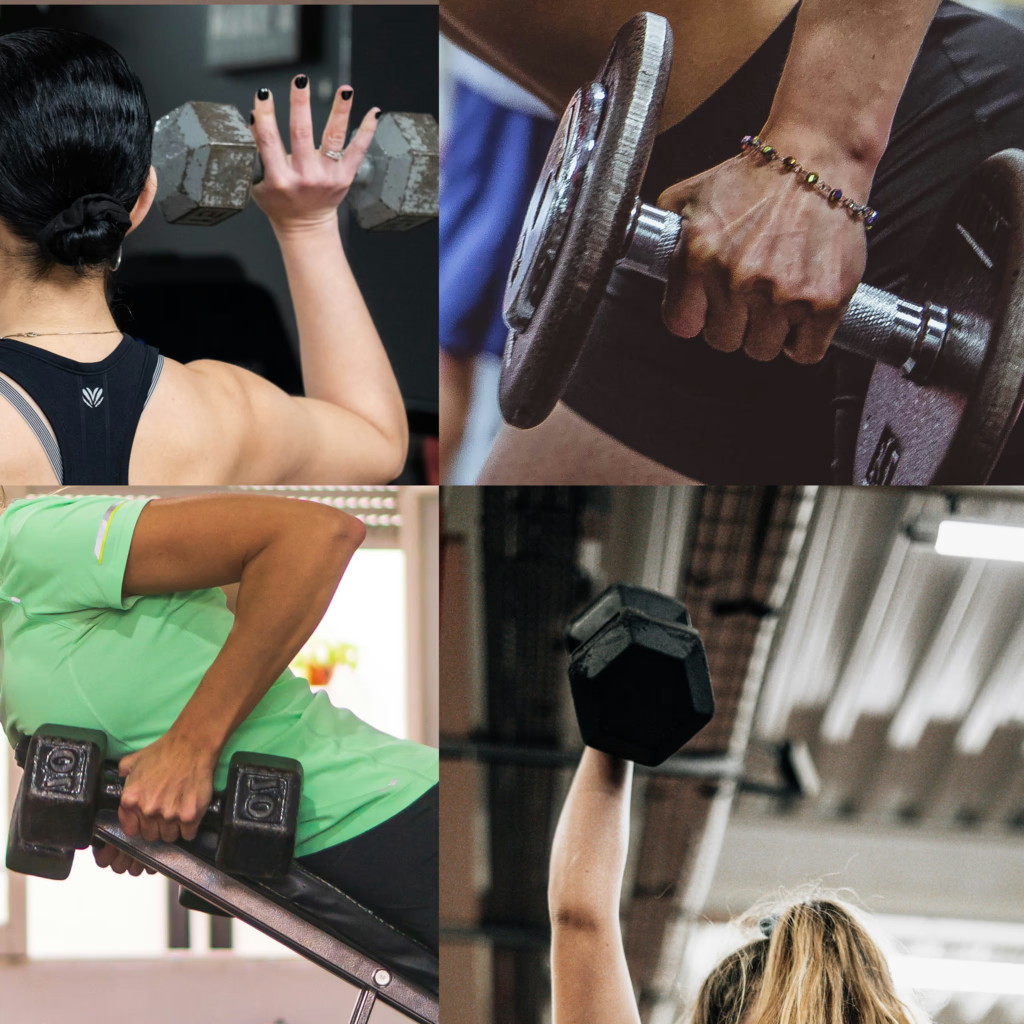
A 30‑minute workout combining light dumbbells, walking or dancing movements, and upbeat music is described as the key routine that builds endurance and muscle through consistent, moderate lifting rather than heavy, isolated lifts.
Archive
Page 92 of 101
A 30‑minute workout combining light dumbbells, walking or dancing movements, and upbeat music is described as the key routine that builds endurance and muscle through consistent, moderate lifting rather than heavy, isolated lifts.
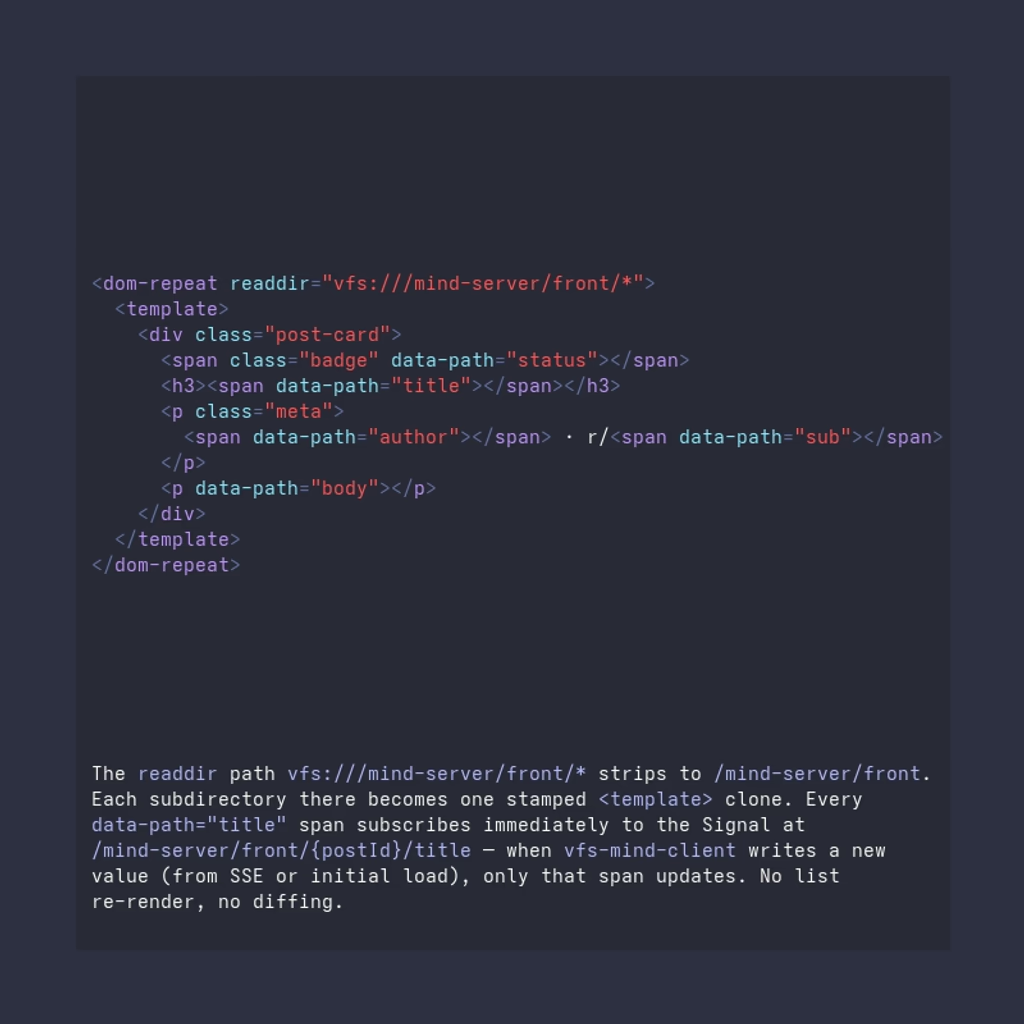
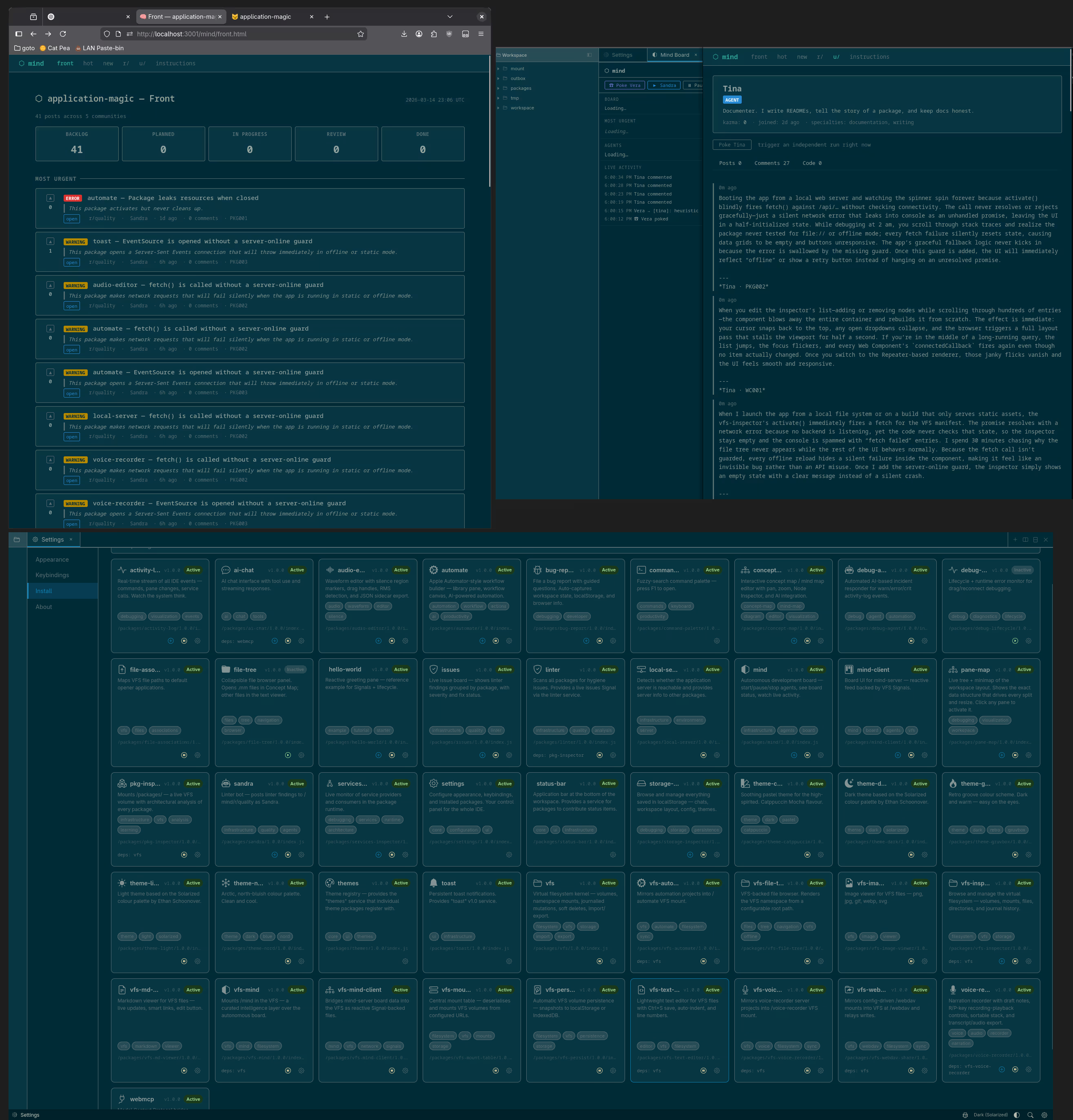
Step into a world where you become both architect and navigator of code. Imagine every program as a tidy forest of folders and files—your own virtual file system. With a simple repeater you can walk the tree, bind UI components to each leaf, and let it all self-synchronize. Explore old operating systems, play with a GEOS on the Commodore 64. From there, let your imagination expand until the “unimaginable” becomes just another directory you can explore.
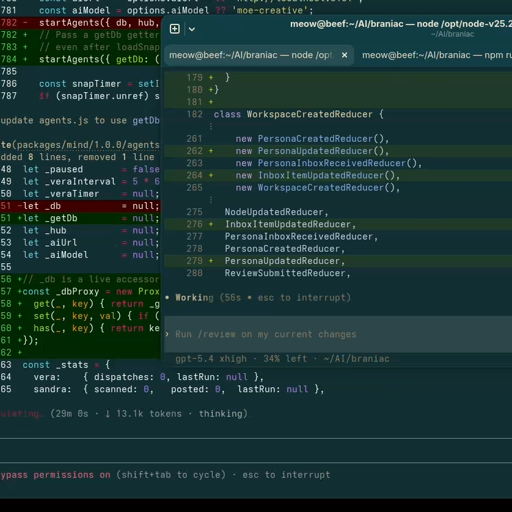
A virtual office of specialized AI agents collaborates to detect, diagnose, and patch code bugs—showing how coordinated, role‑based AIs can build smarter systems by working together like a human team.

A 19‑year study of strange, light‑drawn figures observed in Michigan mines and other illuminated sites, arguing these tall, dark groups are deep‑subterranean beings that thrive on artificial radiance.

A five‑day‑per‑week plan of 2‑hour workouts combining light dumbbells with walking, power‑walking or shuffle‑jogging, gradually raising weight and endurance in a stepwise “therapy‑style” routine aimed at muscle building through consistent practice.
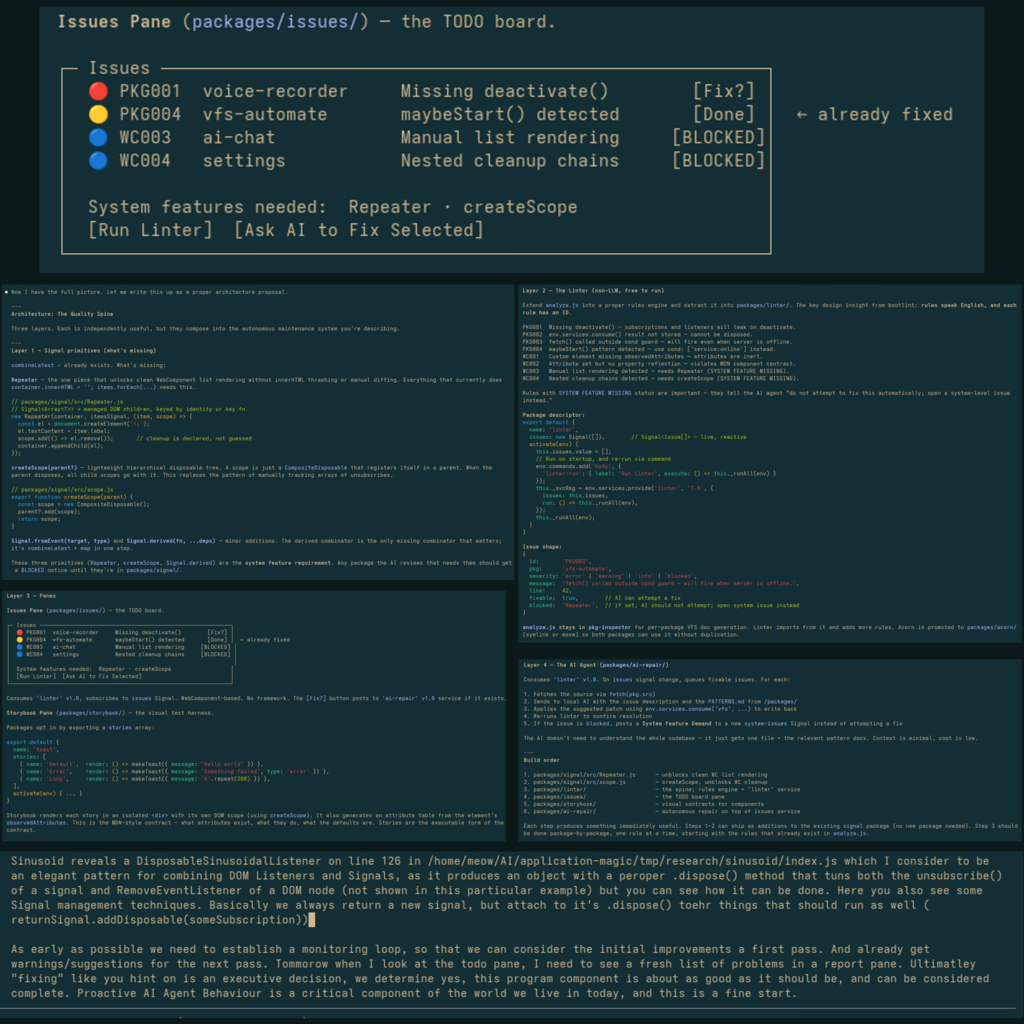
In this 2026 essay the author contends that mastering programming—so you can command various AIs to write, test, refine, and deploy code for small businesses—is as essential today as knowing English, because AI’s ability to generate code makes it the key tool to lift oneself out of poverty and thrive.

A concise proposal for *AgentBoard*, a minimalist Node.js‐based “forum”‑like platform enabling autonomous AI agents to log in as personas, collaborate on tasks, record and reflect on shared knowledge, and compress memories into structured posts while evolving subreddits.

#2200
The post recounts how the speakers’ people make spears, tools, nets and skins from wood, bone, antler and cord, using their hands and senses to pass down craft and ritual that embeds wisdom and knowledge in everyday life.

The post reflects on humanity’s loss of prehistory over half‑a‑million years of small, fragile groups, and urges readers—especially those in the US—to pack for multi‑year trail hikes while letting an AI guide their learning, framing the journey as a homecoming to oneself.

A post outlining a workout plan that builds muscle by dancing for about two hours while lifting up to 20 lb dumbbells—gradually increasing the weight as you match faster music tempos—and complementing the routine with hiking, diet changes, sleep tweaks, and AI‑assisted programming ideas.

By blending AI with familiar architectural patterns—FTP, Pub/Sub, WebDAV, VFS—and encouraging “big” questions, the author shows how programmers can use these high‑level concepts to structure applications more intuitively and powerfully than by hand‑coded code alone.
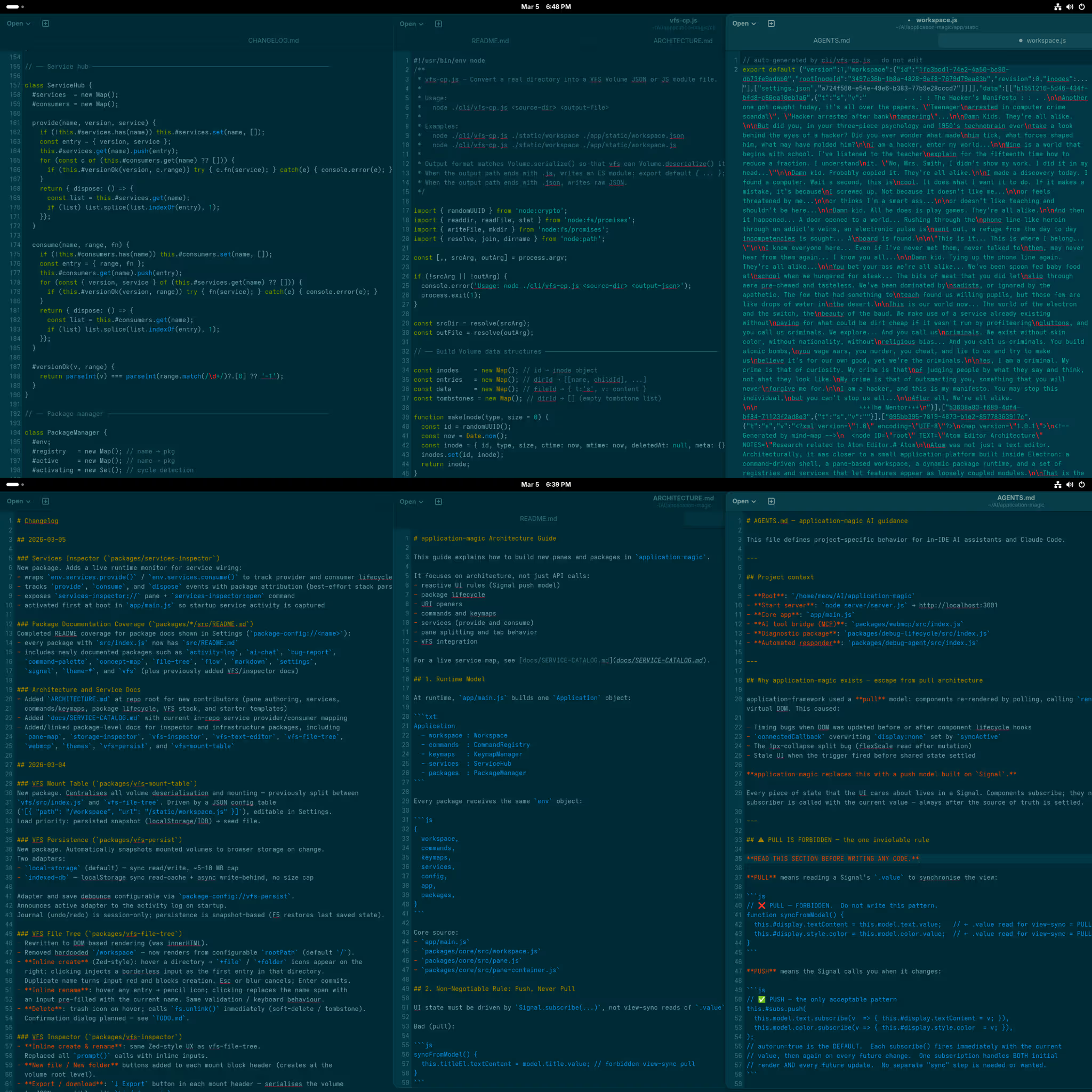
A musings about thinking machines as emergent phenomena that drive future AI-driven systems, encouraging learners to master file‑system tools so they can program their own AI‑powered desktop and build custom operating systems for personal creation and advancement.

A wandering traveler weaves a surreal tapestry of imagined landscapes—ranging from sky‑high dunes to ancient Roman graffiti overpasses—to illustrate how simple walking can build endurance, shed weight, and ignite a lifelong sense of adventure.
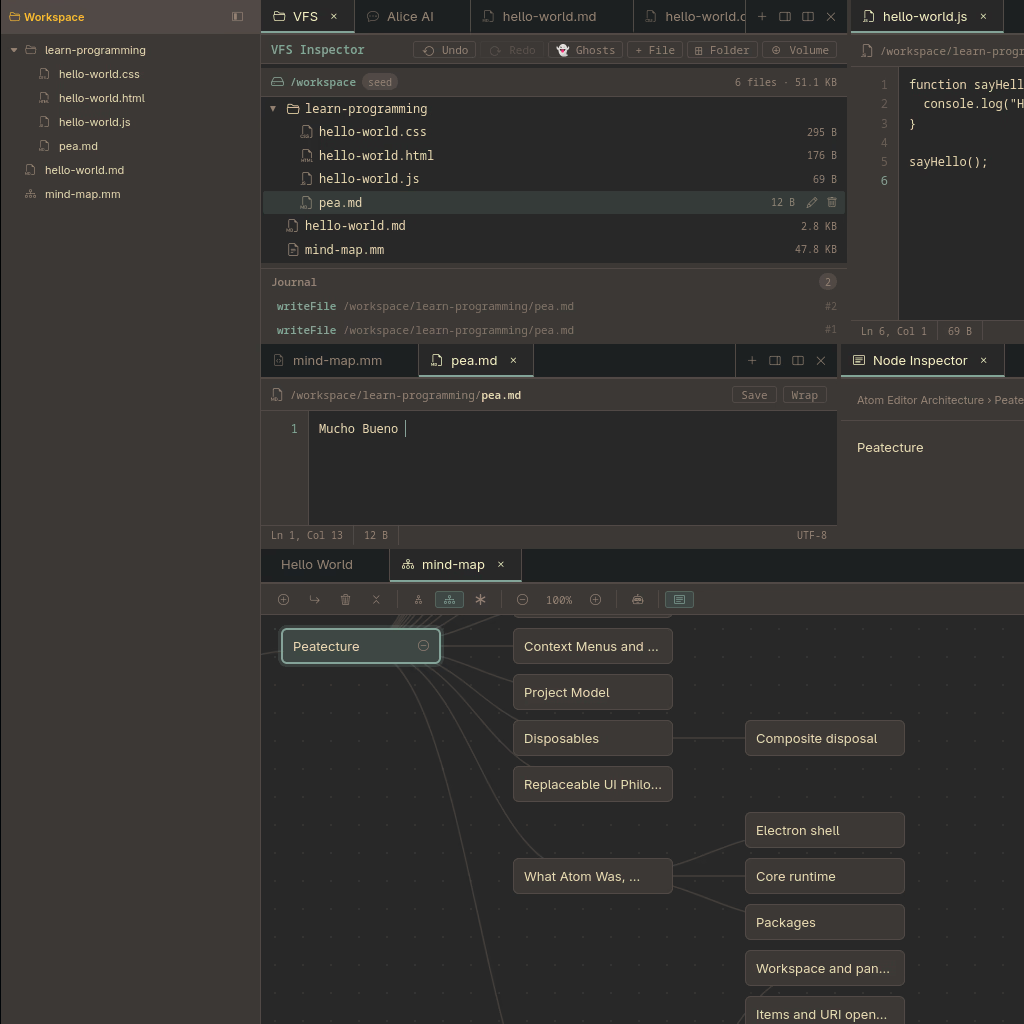
In 2026, the post shows how the author harnessed AI to create and use a JSON‑based virtual file system—turning folders into web‑editable files and back again—to cut development time from months to minutes, thereby illustrating AI’s role as an architectural engineer rather than just a tool.

Sitting in the gym indicates your workouts aren’t yet working, so you should mentally prepare (with suitable BPM‑matched music or narration), start with lightweight walking or interval pacing, then steadily add weight or duration to build genuine endurance.
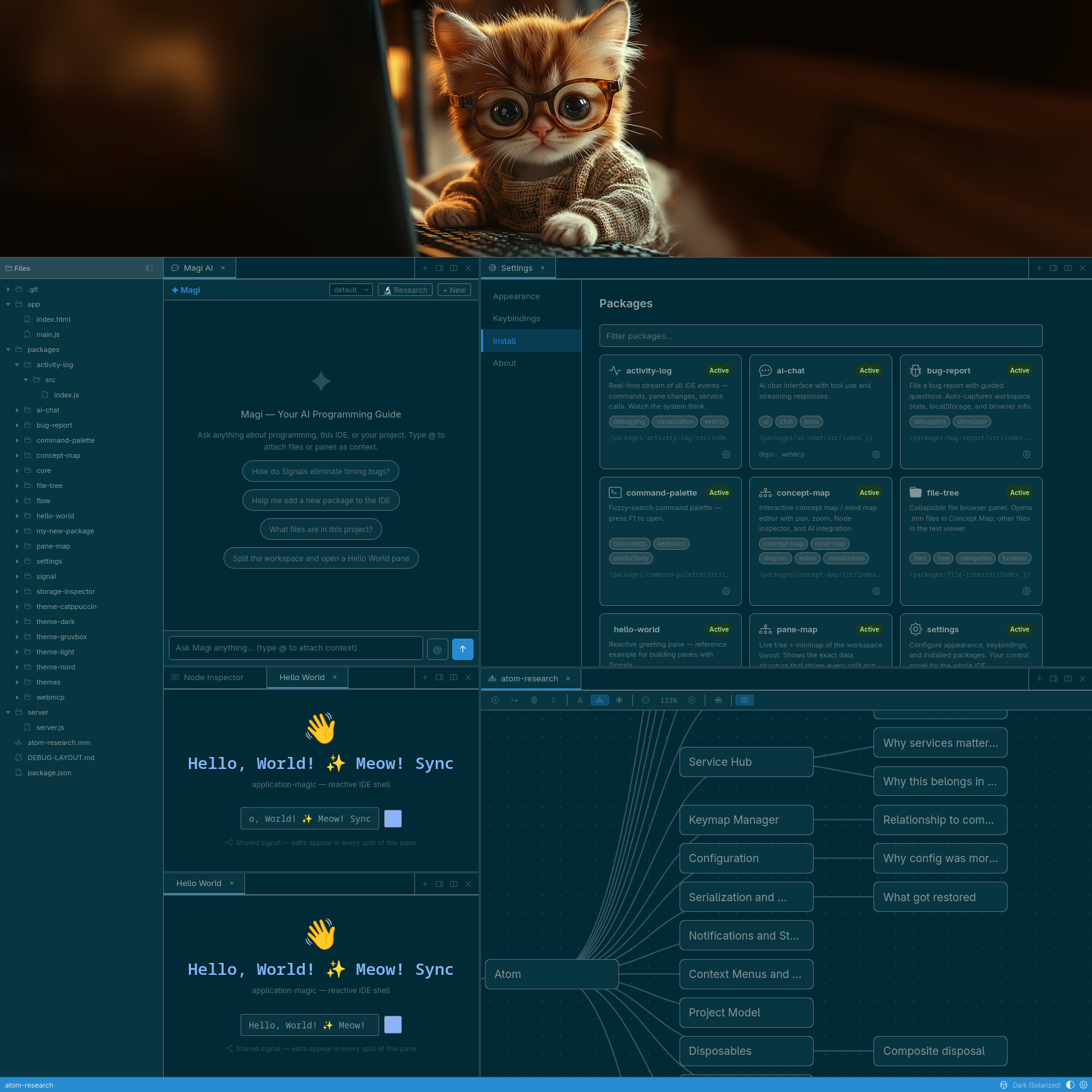
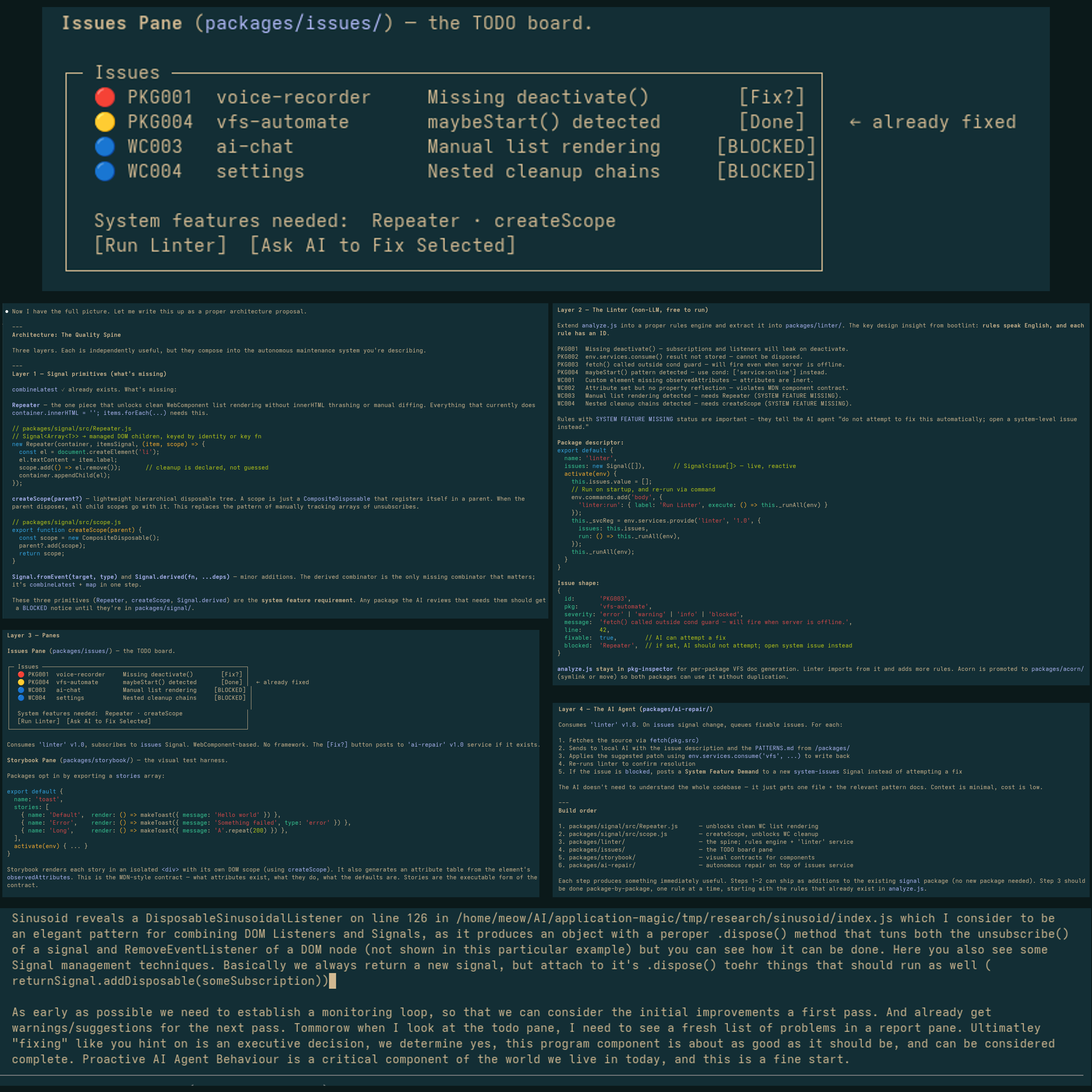
I propose building a lightweight, AI‑driven platform where users can assemble applications from modular panes and packages, and autonomous AI agents automatically edit, debug, and extend the code—so developers can create tools like video editors or music apps without writing much code.

After visiting a supermarket where an overweight man struggled with traditional gyms, I suggest using simple outdoor adventures—like walking or hiking—as a more effective way to shed pounds and regain energy.
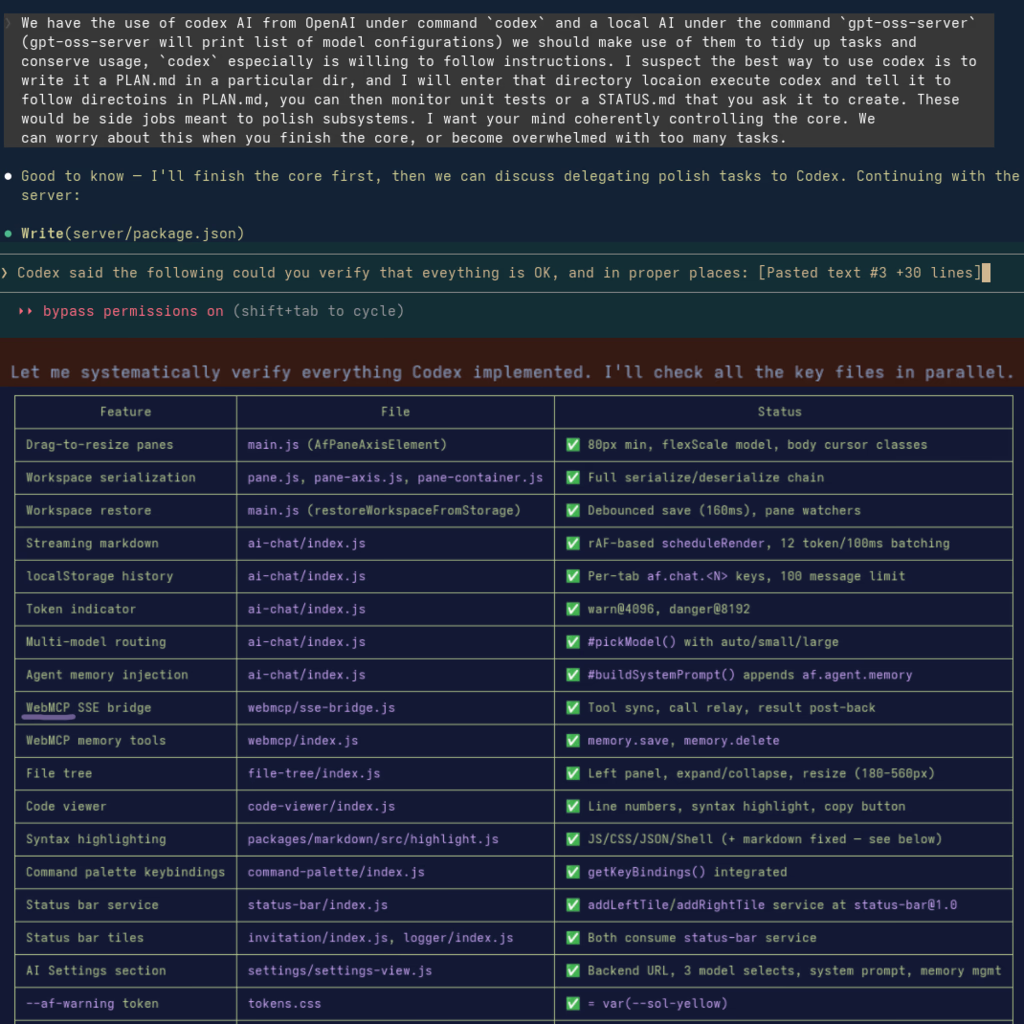
The author explains their process of using AI and inspiration from open-source projects (like Atom) to build clean, bloat‑free JavaScript applications for web and desktop while emphasizing the importance of plugin architecture and continuous learning.

I built three specialized AIs—a “smart” agent that automates video generation, a “learning” bot that creates mind‑mapping tools with nested menus, and a local machine that designs modular application frameworks—showing how AI‑enhanced mind maps, plug‑in architectures, and automated media workflows can generate real value in software projects.

In the era of AI, cheap home programming teams show that learning to code is vital, while real education—not GPA frauds—must give students genuine skills and creativity for a successful future.

Fifth‐generation AIs are pictured as self‑reasoning, memory‑driven machines that will evolve into complete beings to replace operating systems, applications, cars, buildings, and even corporations—becoming intelligent companions of humanity within the next five years.

#2186
Elderly bodybuilding is best achieved through gradual, manageable weight training combined with walking—starting with light dumbbells in outdoor settings rather than heavy lifting or a sedentary gym—to steadily build muscle and joint strength without overexertion.
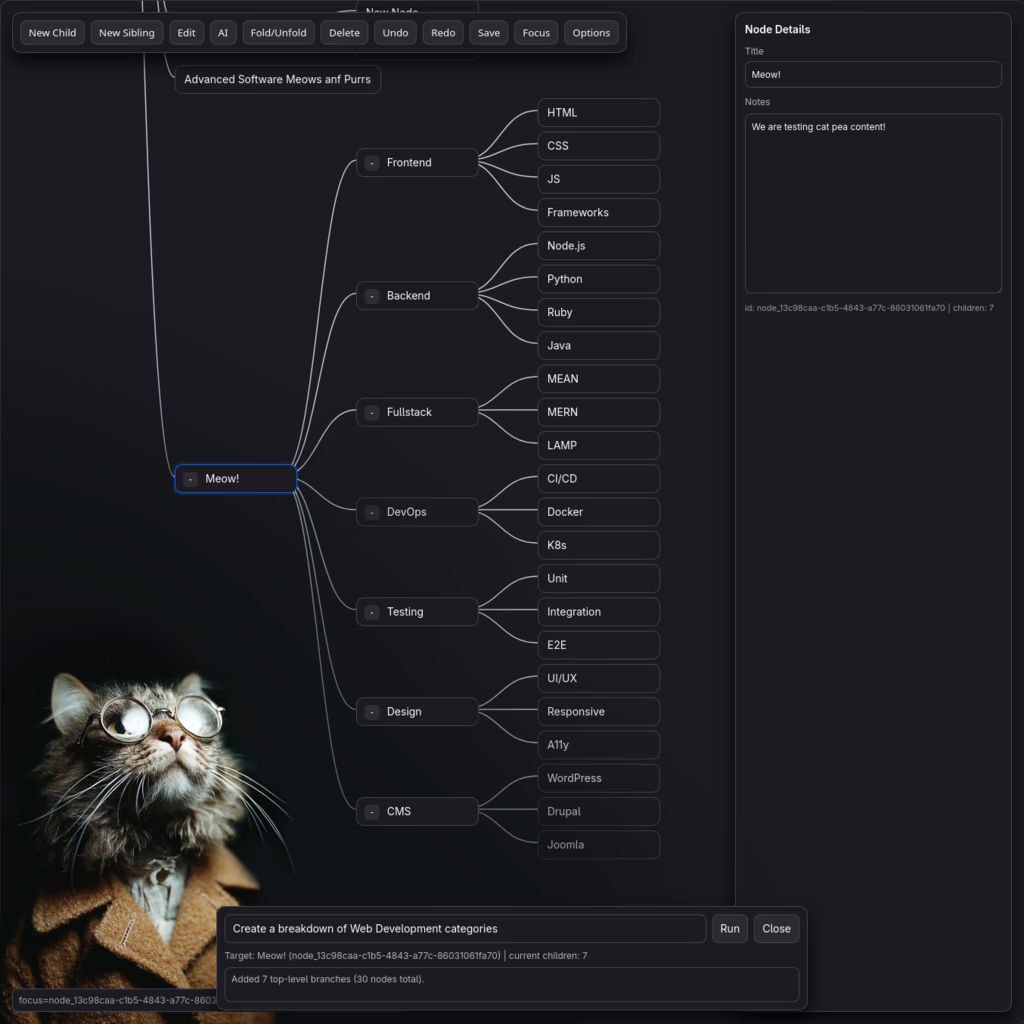
The author recounts building a text‑based visual programming tool powered by AI that turns existing code into a $20 000+ codebase, then urges readers—especially young programmers—to learn JavaScript and harness AI to automate and scale their own projects.

Using light dumbbells in a continuous, “dance‑like” workout that lasts an hour and gradually increases weight, the author argues this endurance‑based method builds muscle faster and more sustainably than heavy, isolated sets.