How To Learn Big Programming With Little Programming
Start by exploring several‑hour JavaScript courses, then dive into pixel‑based projects with p5.js or playful JavaScript games; from there you can move on to Svelte (a 2022…

Writing software: JavaScript, Node.js, web development, visual programming, Linux, tools and tutorials.
430 posts · page 15 of 18
Start by exploring several‑hour JavaScript courses, then dive into pixel‑based projects with p5.js or playful JavaScript games; from there you can move on to Svelte (a 2022…

Self‑editable applications let end users build and tweak UI elements on the fly—adding, rearranging or deleting controls like username fields, passwords, buttons, drop‑downs and…
The post argues that while machine‑learning is still an emerging technology, true AI will eventually be able to read, explain and improve its own code; it then explores the…
In this post the author argues that drawing with pencil is essential for learning programming, describing how visual sketches help understand and remember concepts. He explains…
In the post, the author outlines a strategy for creating an efficient, cross‑platform application that runs on a Raspberry Pi and can be hosted in a colocation facility,…
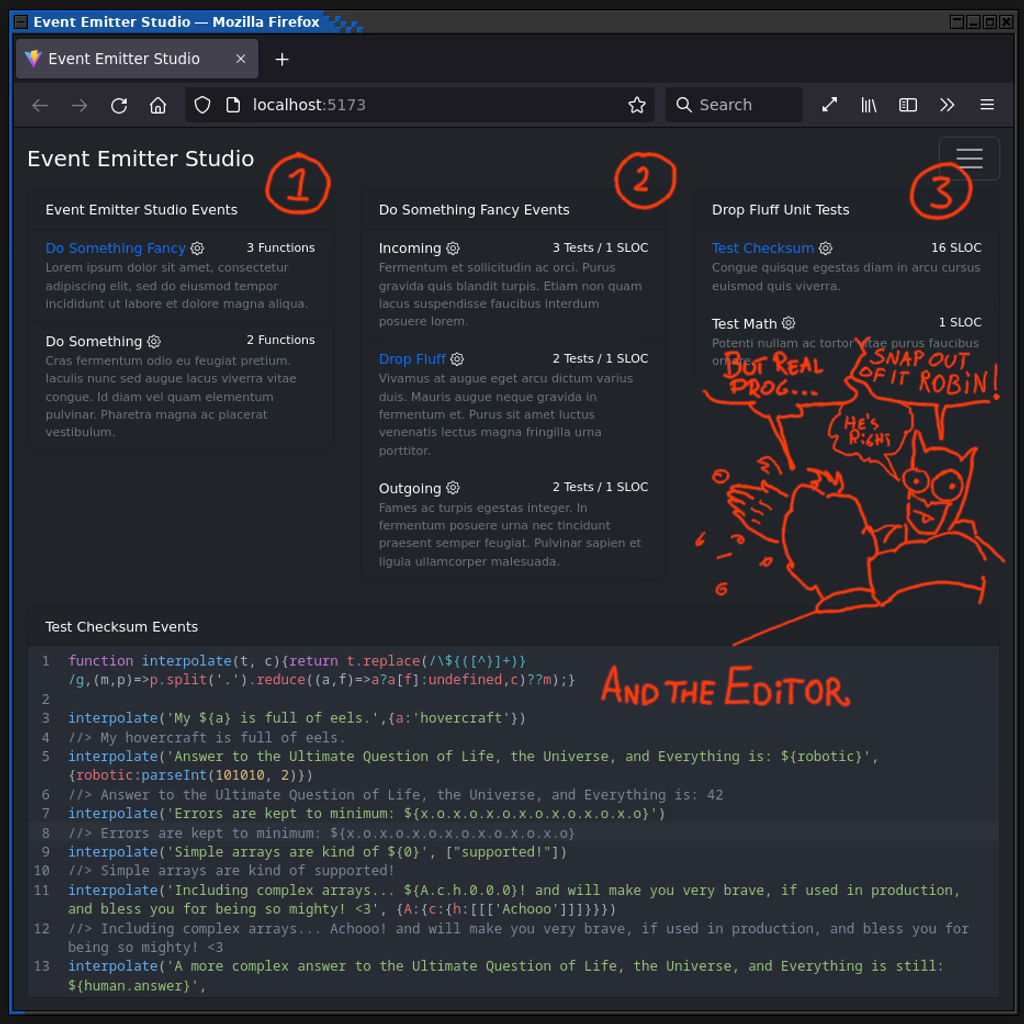
The post argues that an EventEmitter is a fundamental programming concept—much like classes or try/catch—and explains why it’s especially valuable in modern frameworks such as…
To become a programmer you need self‑study, patience, and a solid environment: start with a free Debian GNU/Linux system on inexpensive hardware such as an 8 GB Raspberry Pi 4;…
The post paints a picture of today’s programming landscape—first‑hand tools feel clunky, especially on smartphones where you’re stuck with browsers and ad‑laden apps, yet…
The post argues that for modern web development one should pick popular, actively maintained open‑source tools—specifically Bootstrap, Svelte, and PouchDB (with its CouchDB…
Local HTTP servers are the ideal way to ship serious UI applications: a browser connects to a local port, allowing remote access, sharing, cross‑connection and portability (e.g.,…
The post reflects on the beauty of small “strange” programs—those whose lines of code relative to their usefulness reveal an elegant simplicity reminiscent of Unix’s “do one…
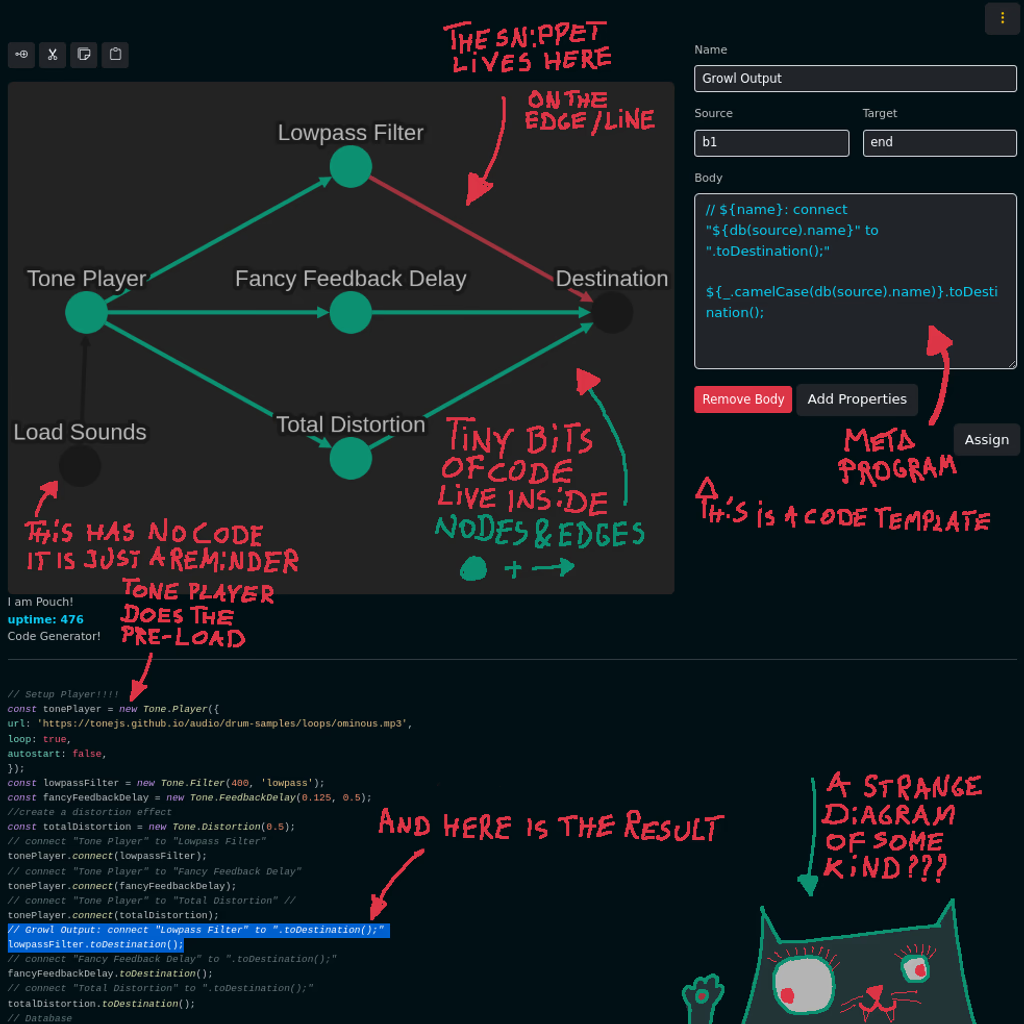
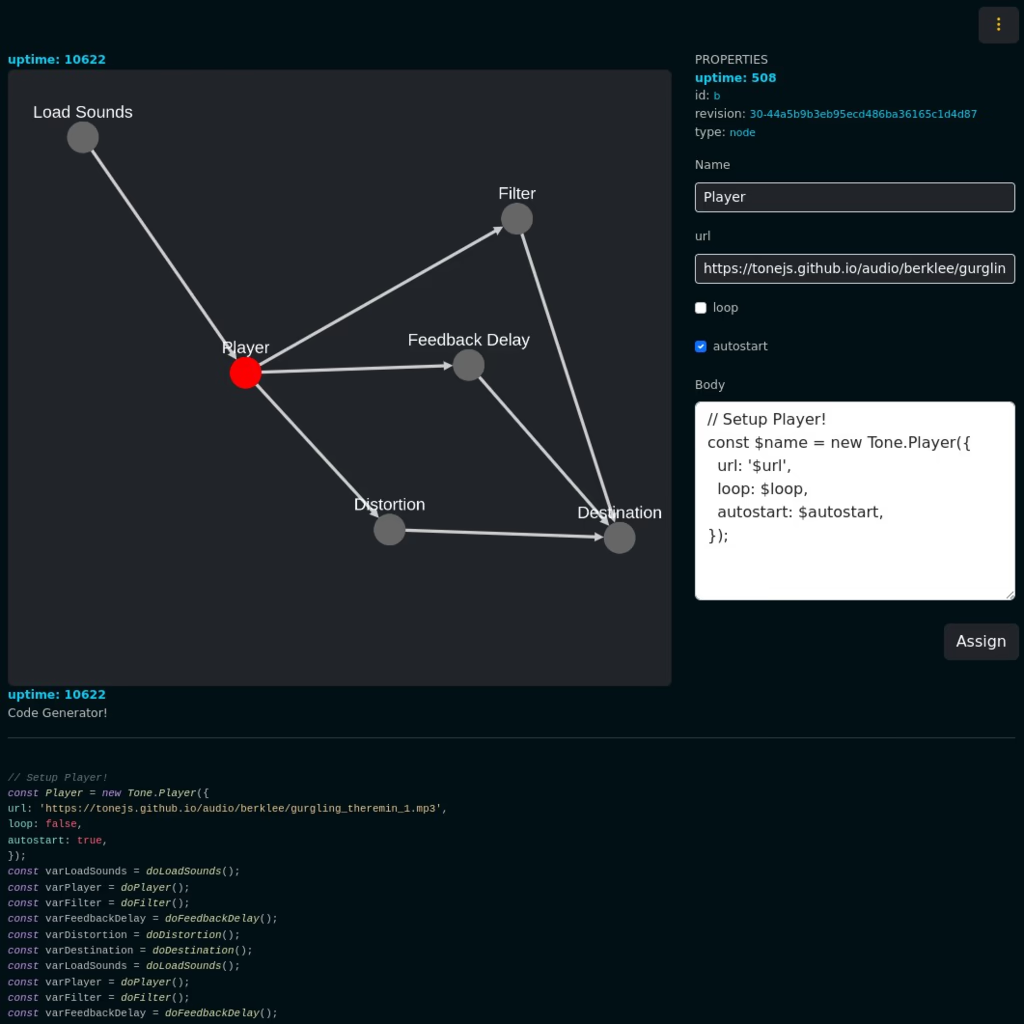
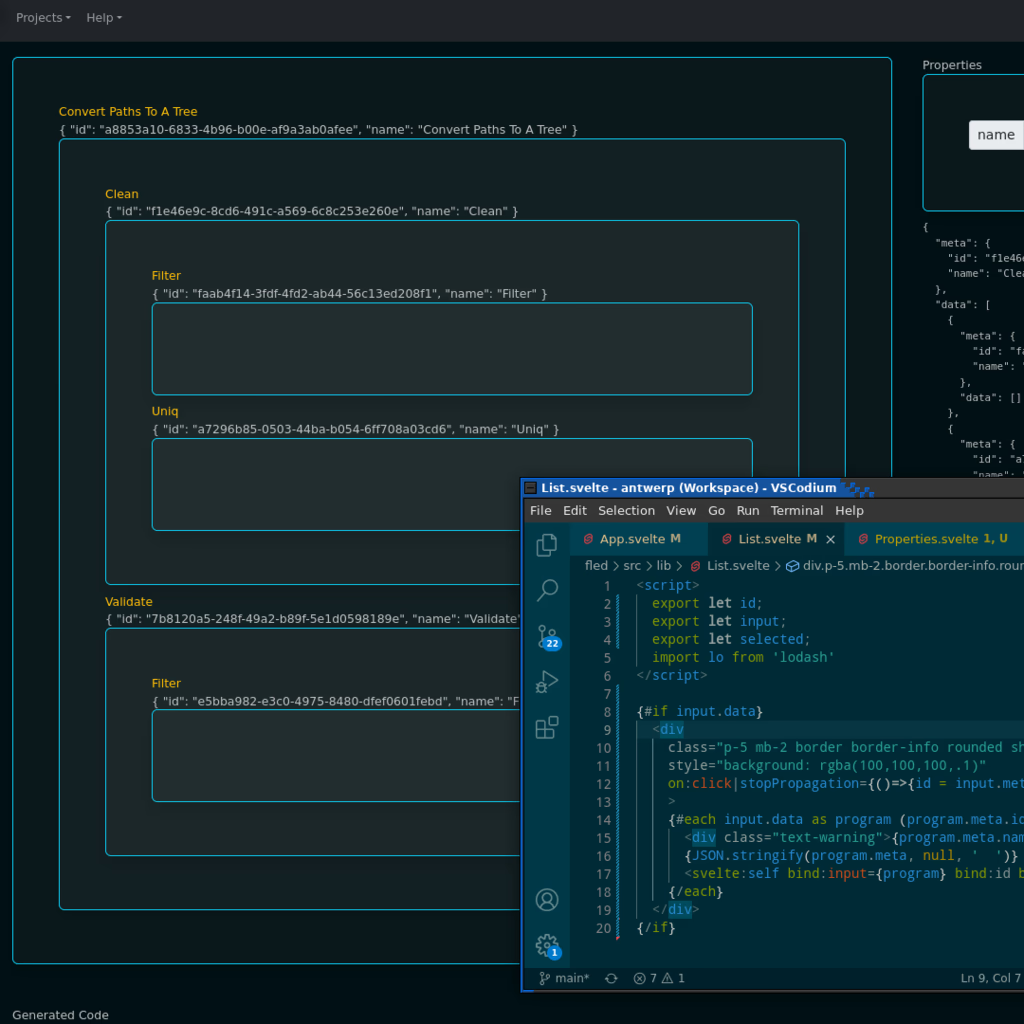
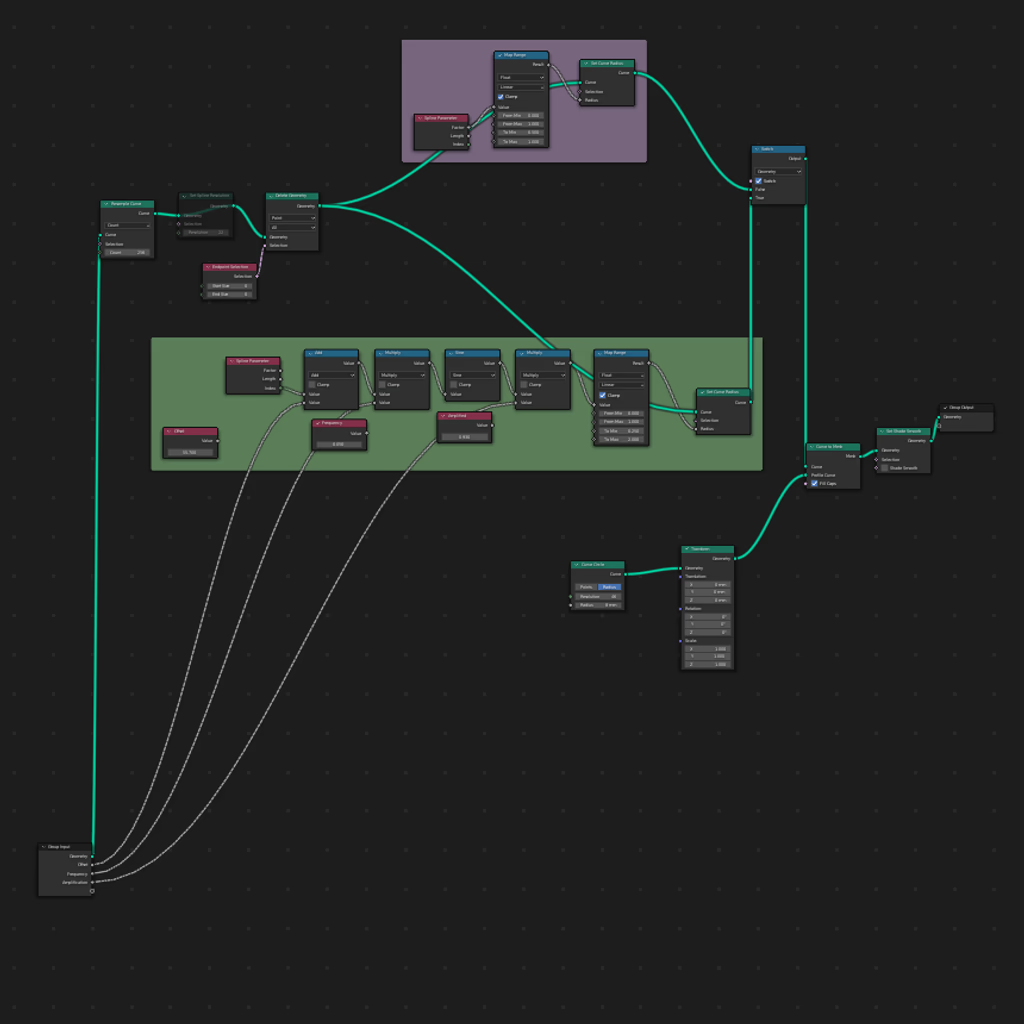
Visual programming turns a simple list of eight questions into a network of interconnected boxes and lines: each question is first placed in a “list” box, then passed through an…
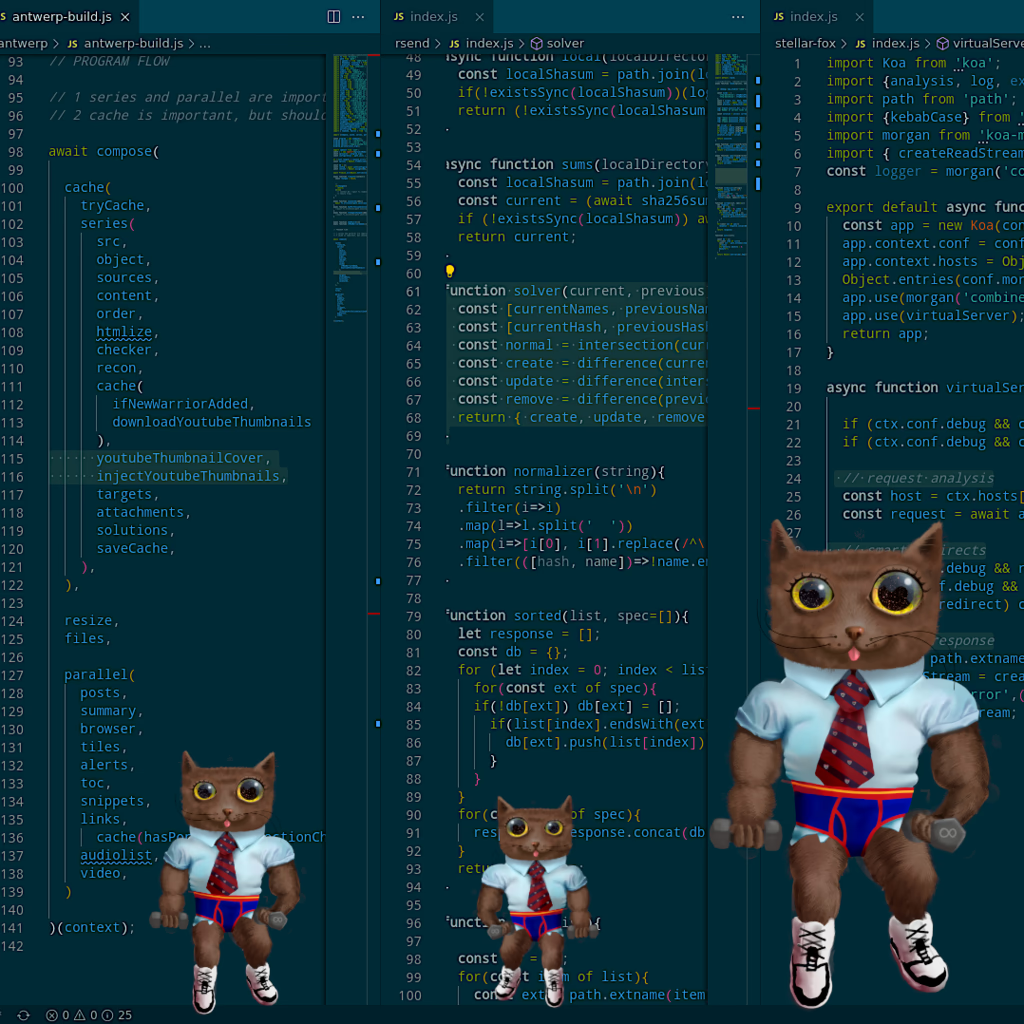
I built three custom tools—antwerp, stellar‑fox, and rsend—to get my new website up and running: antwerp is a static site generator that turns plain text files into HTML;…
A passionate programmer describes how his life revolves around inventing small programs—timers, calculators, 3‑D gadgets—and doing it for fun, not merely for a paycheck. He…
The author argues that subjects are fascinating yet poorly taught by teachers, and proposes learning programming through p5.js and related tutorials to automate math; he cites…
I recently uploaded a 5‑gigabyte archive that already contained about 4.5 GB of data; the disk ran out of space, so I canceled and recreated the hosting account, losing my coupon…
I spent an afternoon writing a tiny HTTP server—just 25 lines of code plus a handful of reusable functions—that can route requests for multiple domains. The result is a concise…
I’m almost finished a program that builds a simple website by scanning folders of text files; it relies on many little “library” modules that you plug in to extend its…
I’ve been crafting web pages for years, starting with basic HTML and ASP, then moving on to Perl, PHP, ActionScript, Java, and finally Node.js—all while learning by building…
The author proposes using an inexpensive single‑board computer—specifically a Raspberry Pi 4 kit costing under $200—as a practical development machine that forces efficient…
The post explains the “fence‑post” problem that arises in programming when counting elements of a list (or array) and using zero‑based indices. By walking through an example with…
I started my coding journey with simple visual tools that felt like a board‑game, then moved through a stack of languages—Visual Basic, ASP, Perl, PHP and finally…
The post recounts the author’s journey through multiple programming languages—starting with PHP and Perl, moving into Java and JavaScript—and culminates in their current…
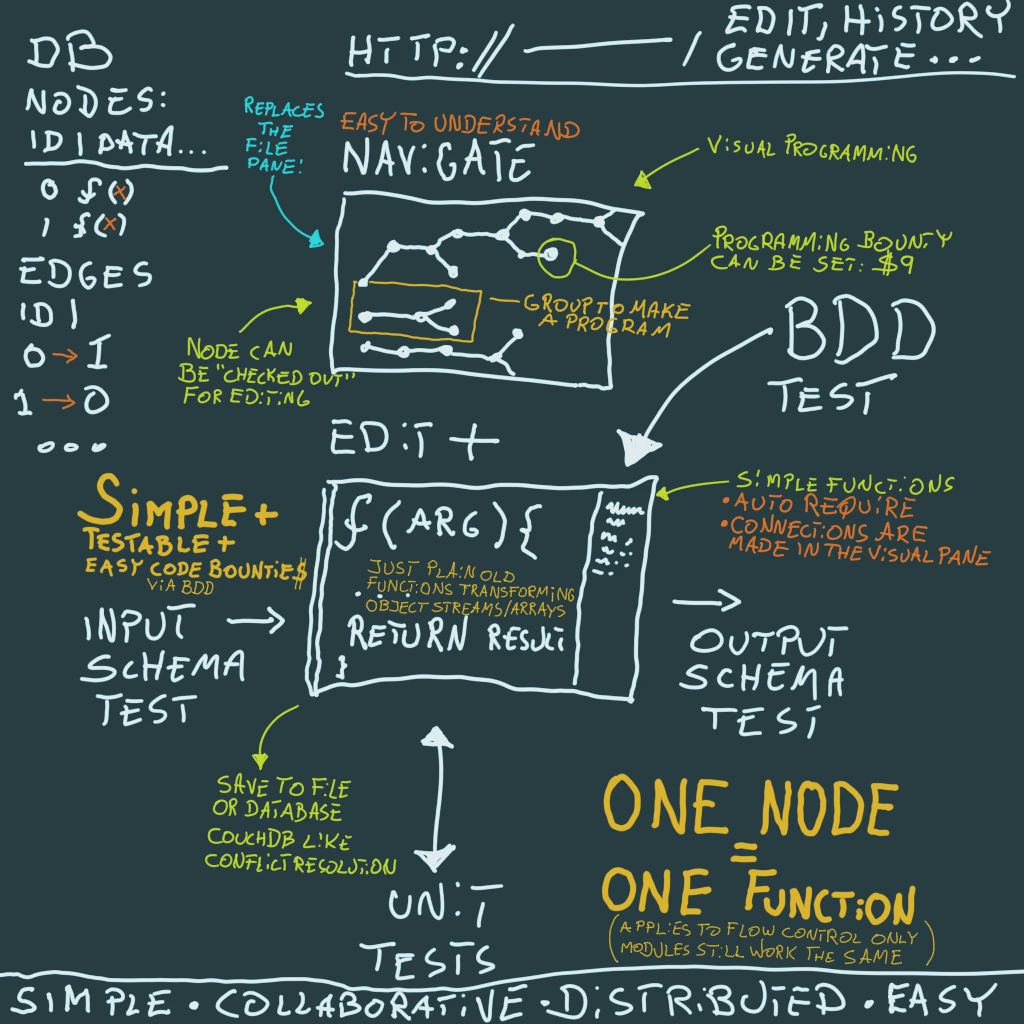
I propose that the future of programming lies in a self‑guided, visual IDE that replaces the old terminal and “smartphone” concept with a simple, three‑column layout: an event…