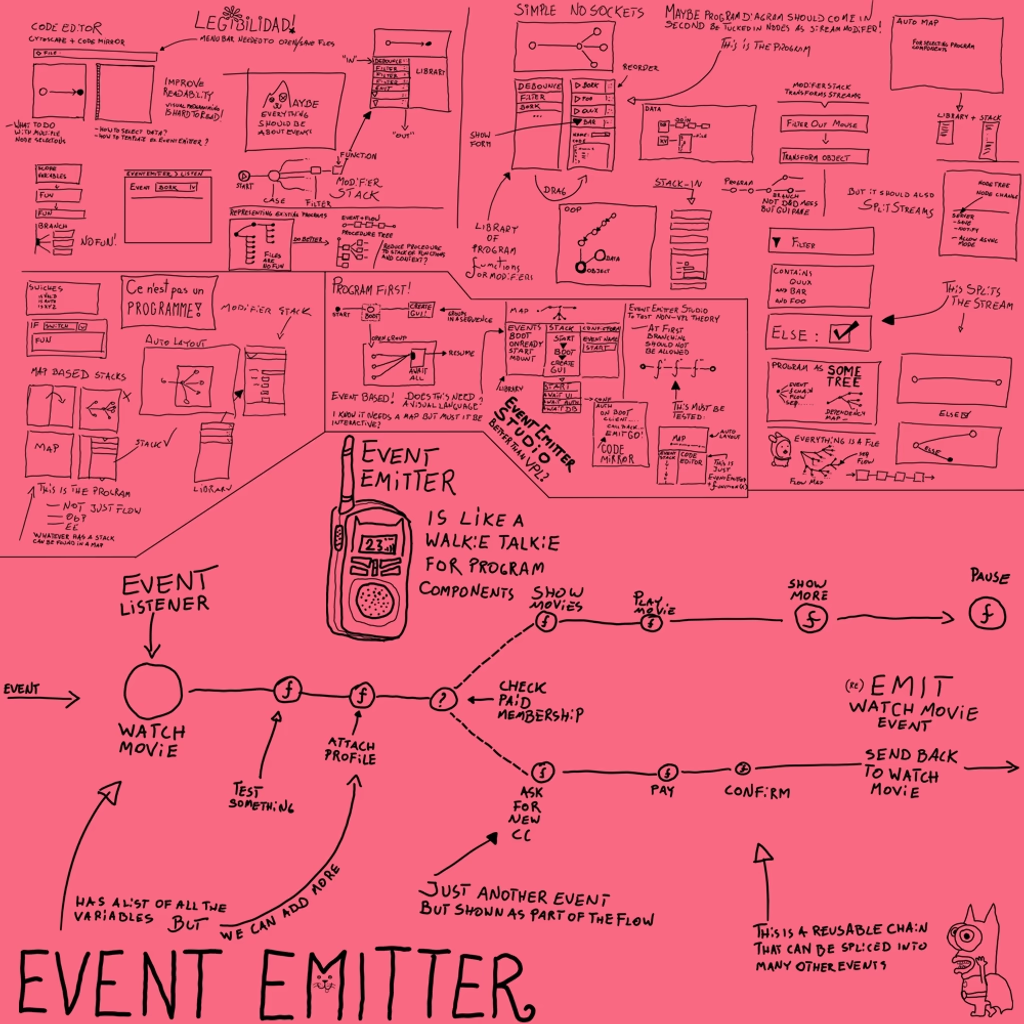
The Fanciful Event Emitter: A Super Strange Programming Poem
The post explains how JavaScript’s EventEmitter works—events are fired (e.g., a mouse click), carry data like `x=5` or `user=alice`, listeners are set up to react, and some…
Writing software: JavaScript, Node.js, web development, visual programming, Linux, tools and tutorials.
430 posts · page 16 of 18
The post explains how JavaScript’s EventEmitter works—events are fired (e.g., a mouse click), carry data like `x=5` or `user=alice`, listeners are set up to react, and some…
The post argues that building a successful solo‑programming business is difficult because you’re up against multi‑person startups, but failure can become an asset: by learning…
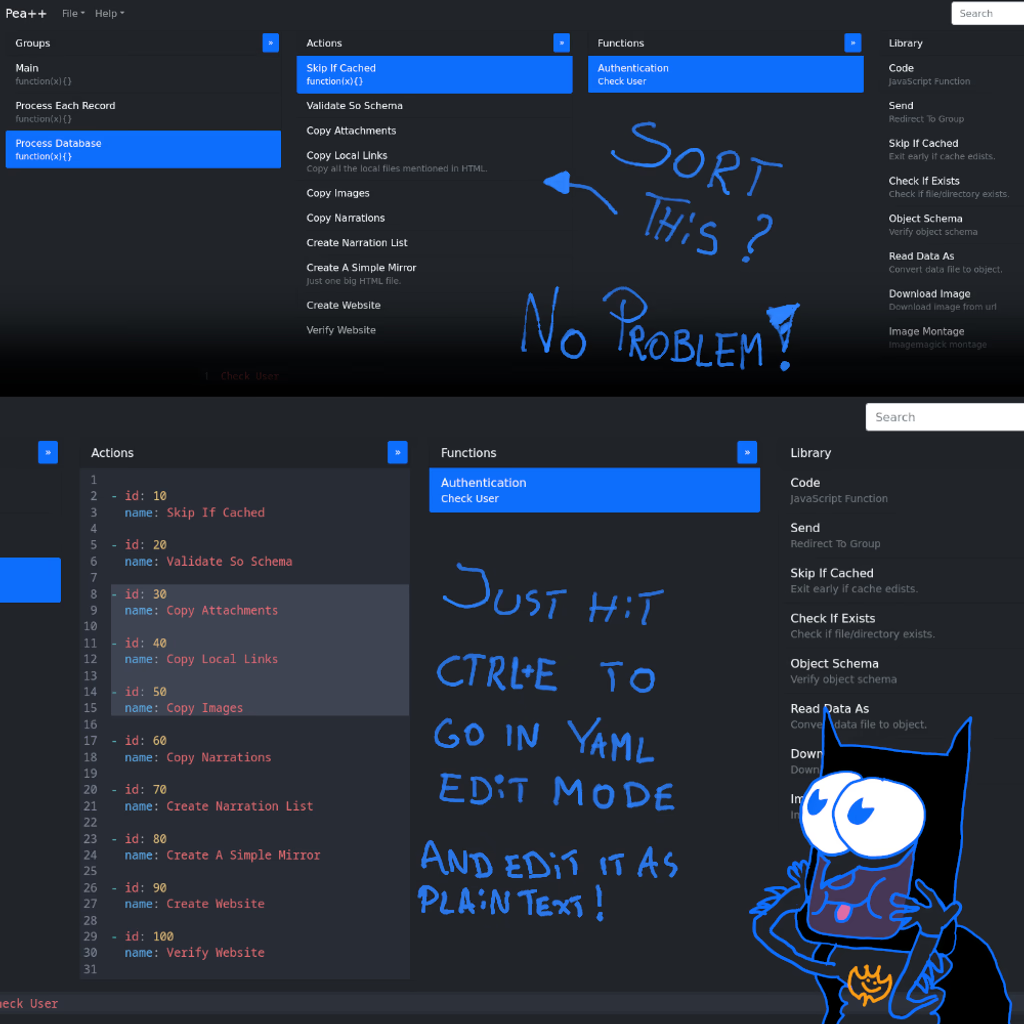
The post explains that programming boils down to organizing data and behavior into a coherent structure using the core building blocks of variables, functions, if‑statements,…
The post opens with a rant about the endless troubles in programming and the irony that writing less code sometimes brings more success, then critiques confusing languages,…
The post celebrates the accessibility of web‑development tutorials by highlighting Svelte’s clean, step‑by‑step guide (and its counterparts in Vue.js and React), and argues that…
The post proposes a flow‑based programming model that relies on event listeners to drive streams of data through simple processing steps—illustrated by tracking mouse X,Y…
The author describes the creative process behind writing a whimsical poem that blends their love for programming with playful wordplay and self‑learning of English. They recount…
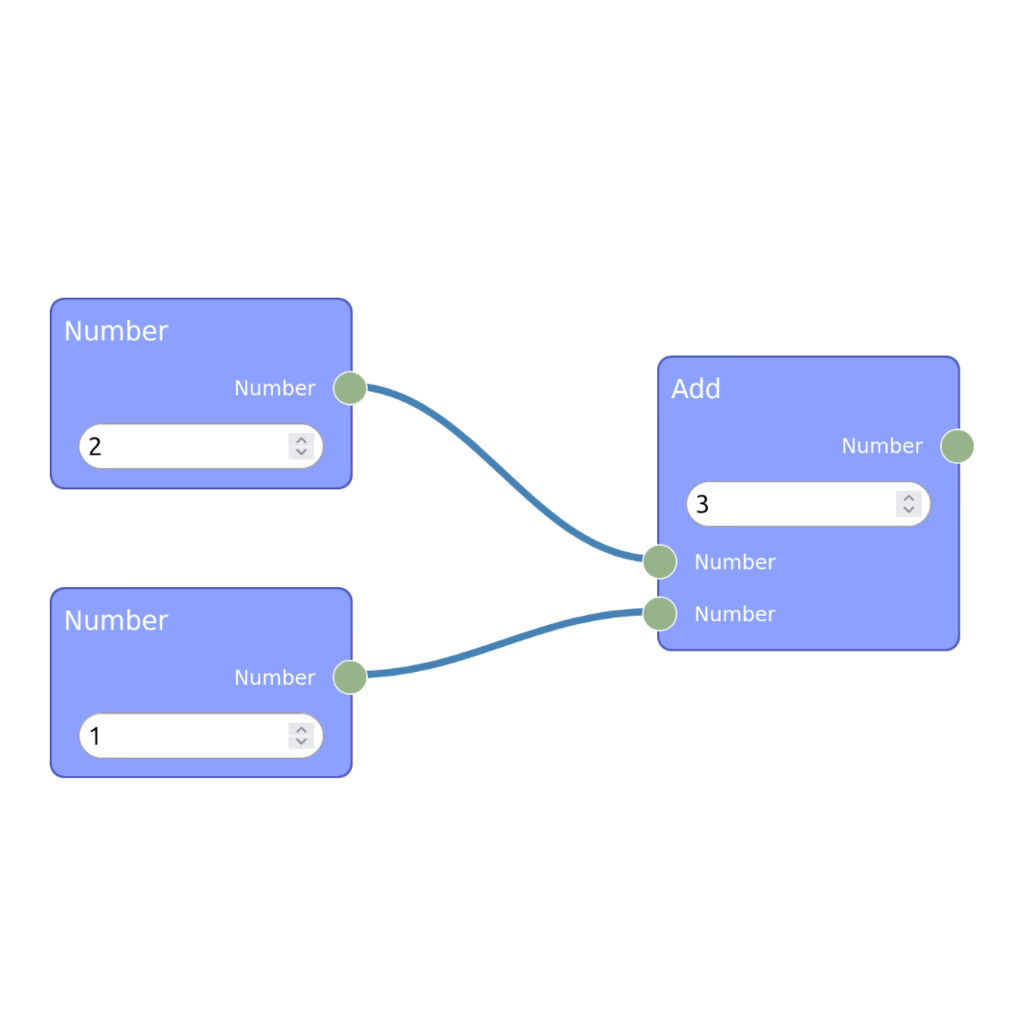
The post explores the promise and pitfalls of visual programming, arguing that while it can make program flows more visible, its current implementations—especially those built on…
I noticed the delay/echo effect in songs after hearing Giorgio Moroder’s performance, tried to replicate it with 16th‑note patterns and LMMS but felt something was missing; then…
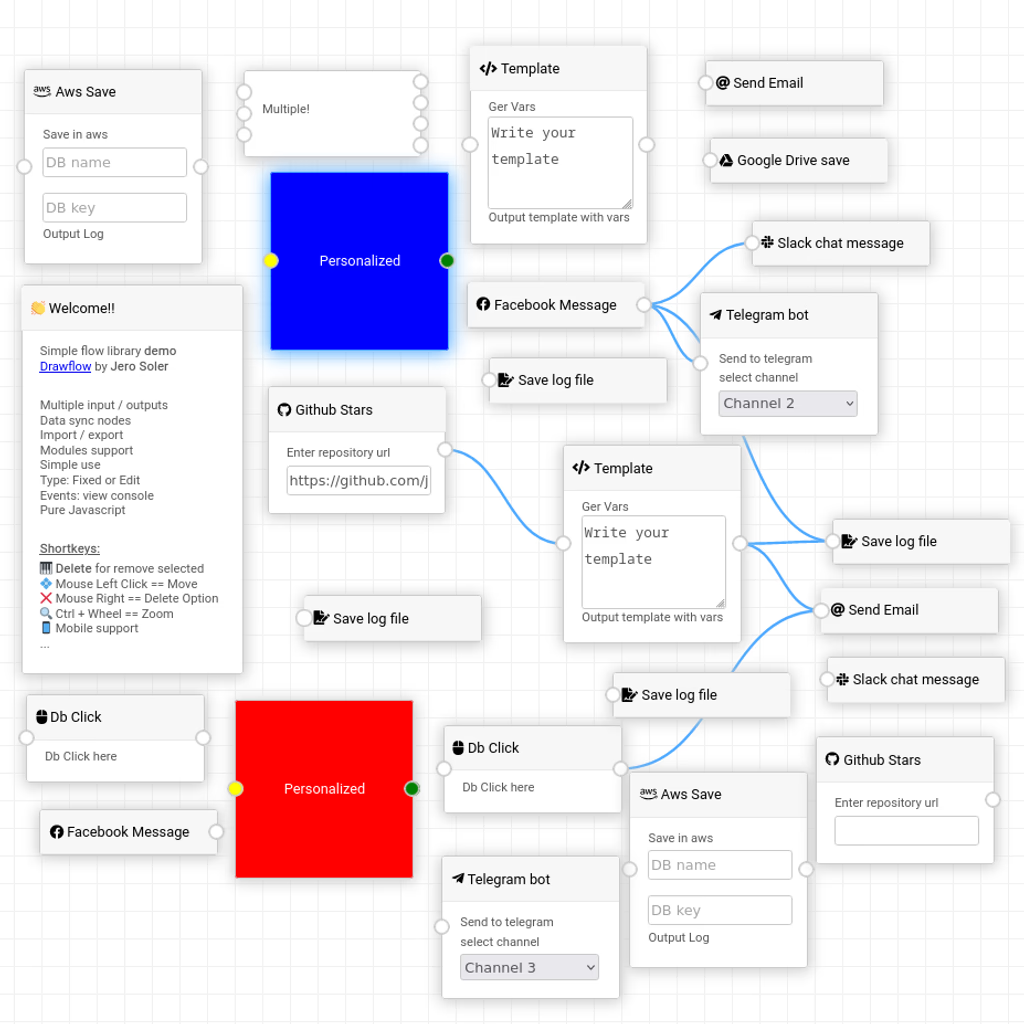
The post surveys how visual‑programming libraries such as Rete can be turned into practical tools that let users build programs by arranging nodes, then export those designs to…
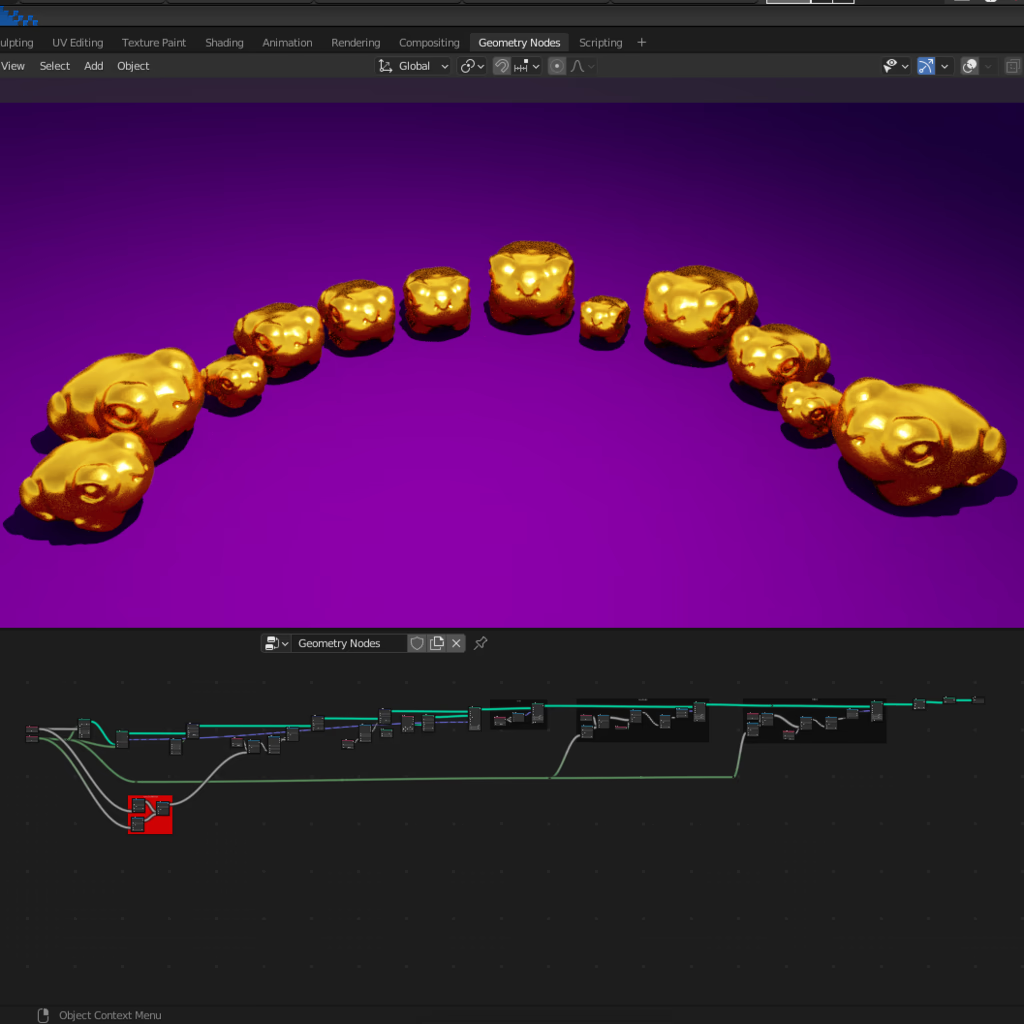
I’m a programmer who’s been experimenting with the unit circle and recently built a decorative ring of “Peruvian Froggies,” spacing big ones close together and leaving more room…
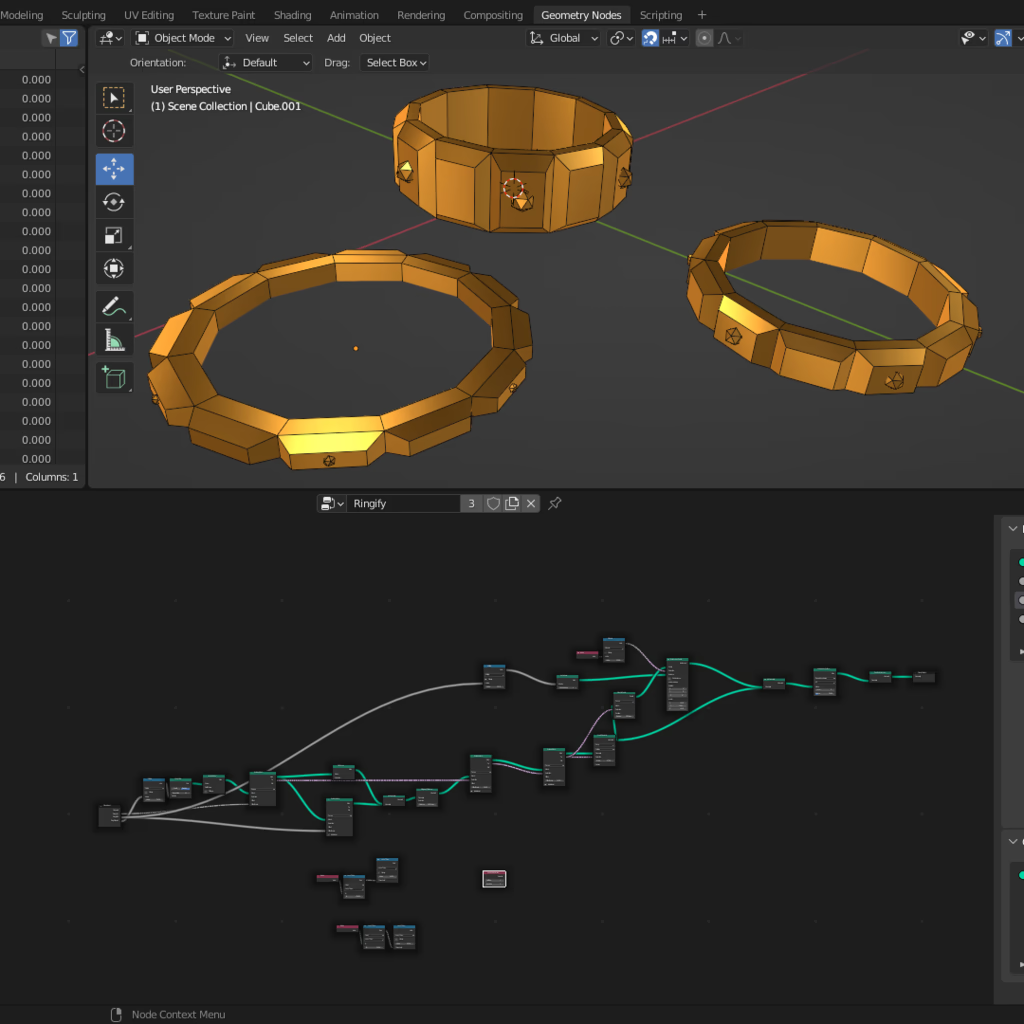
Blender’s Geometry Nodes let you procedurally build a decorated ring by turning a basic curve into points, applying math‑based scaling, and using modifier nodes to place and size…
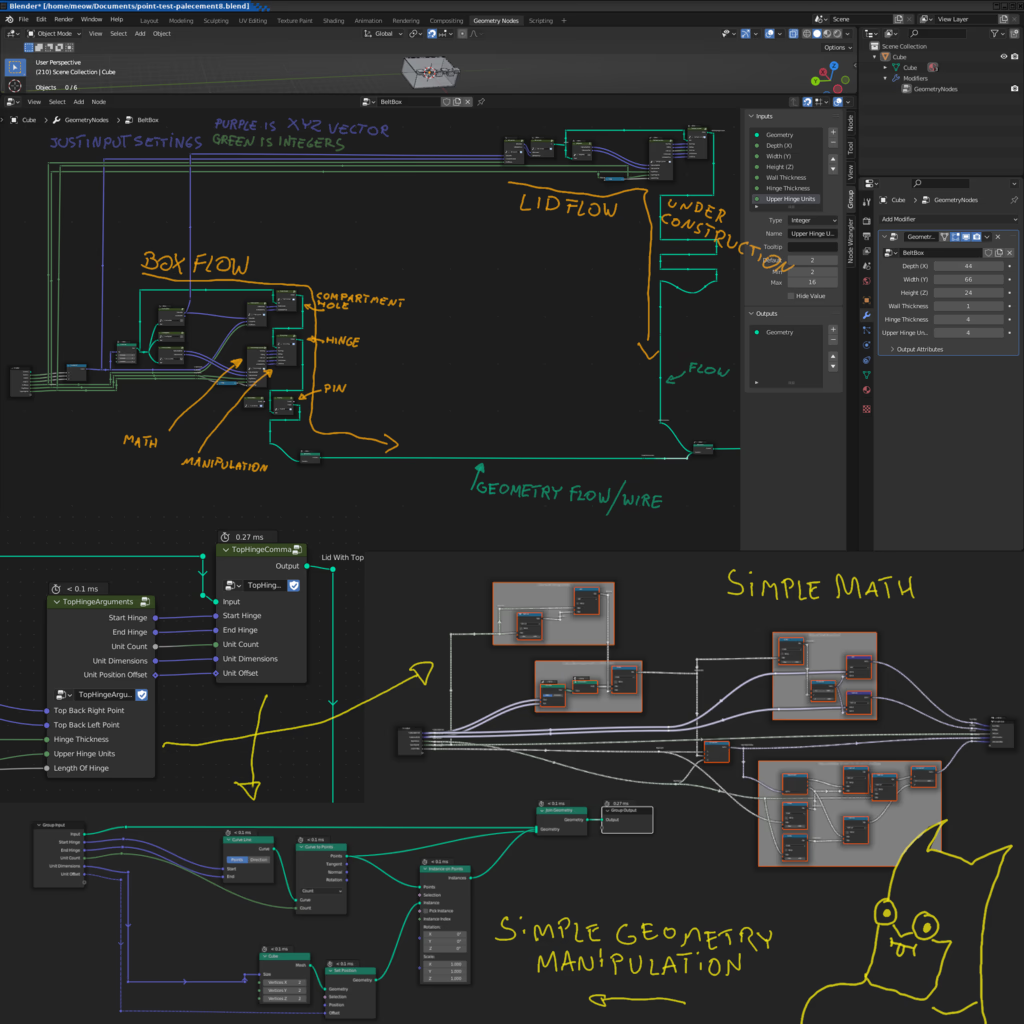
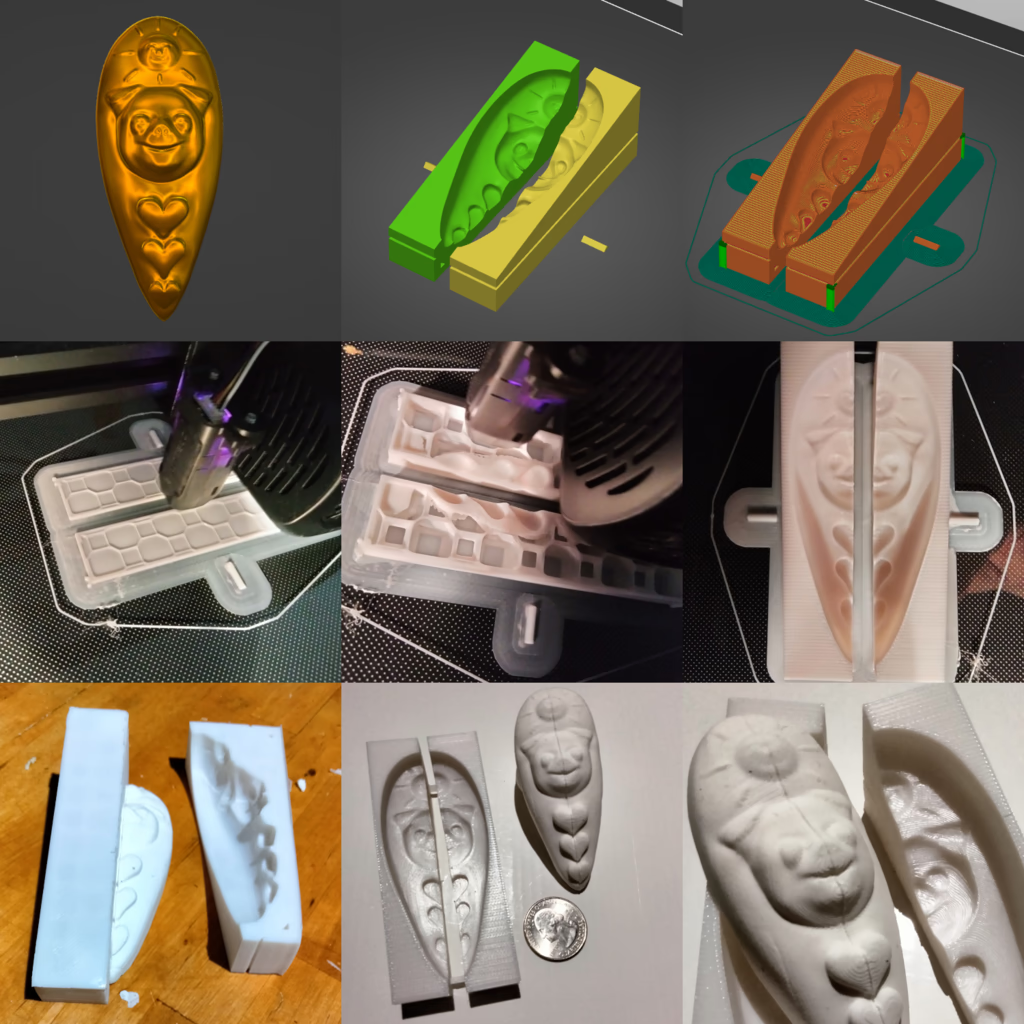
The post explains how to tame design complexity for 3‑D printing by splitting the workflow into two distinct stages: first, a “math configuration” phase that defines all…
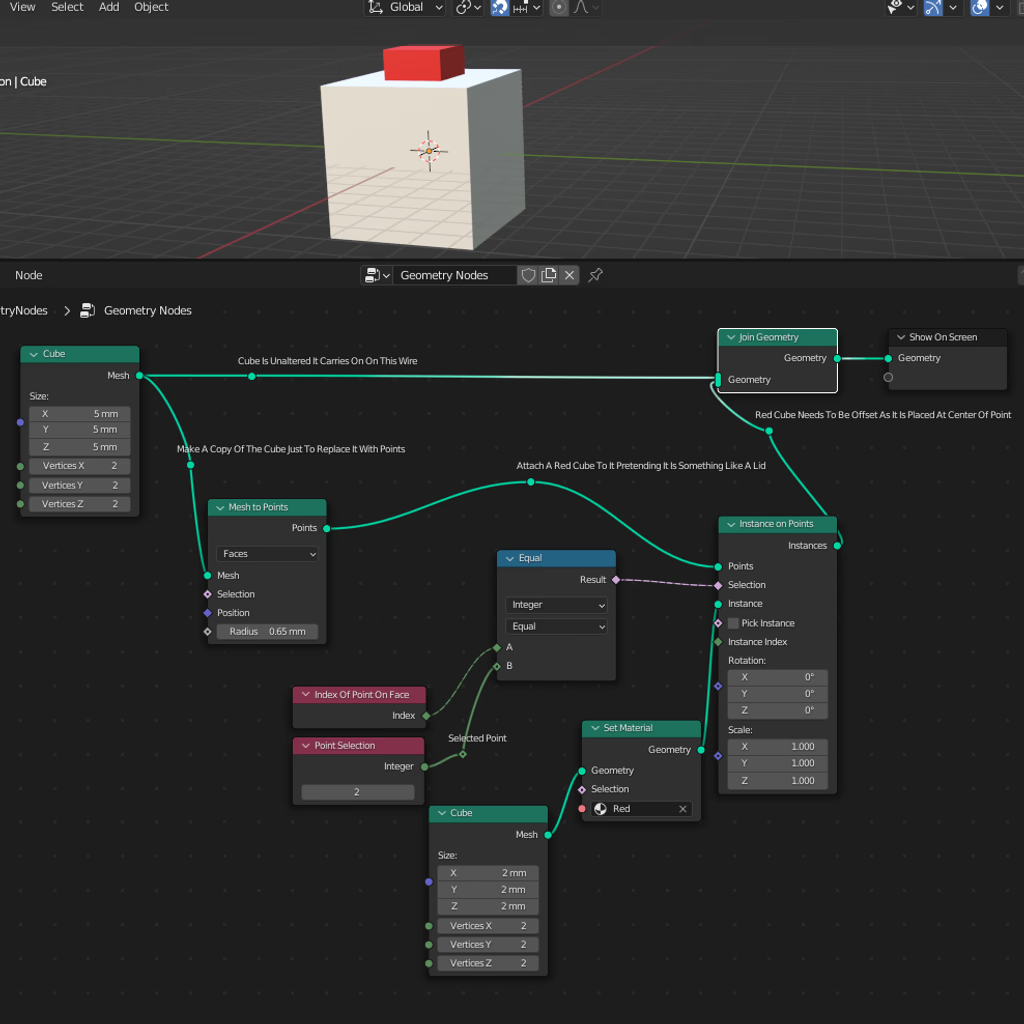
In Blender’s Geometry Nodes, you can identify precise locations on a cube by generating a point cloud with the Mesh‑to‑Points node; each point is simply an X,Y,Z vector that…
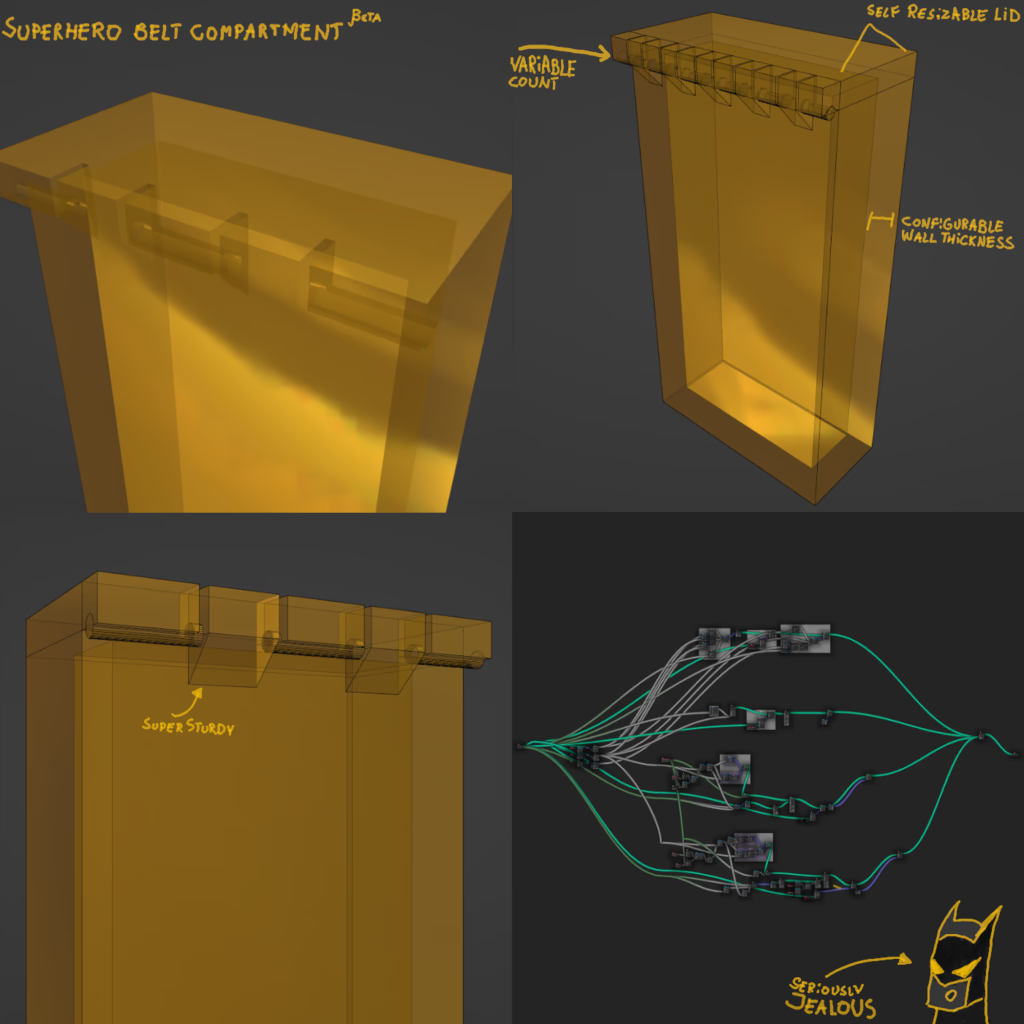
The author explains a computer‑generated “superhero belt” design system that automatically configures hinge‑based compartments based on an input cube’s dimensions; it can scale…
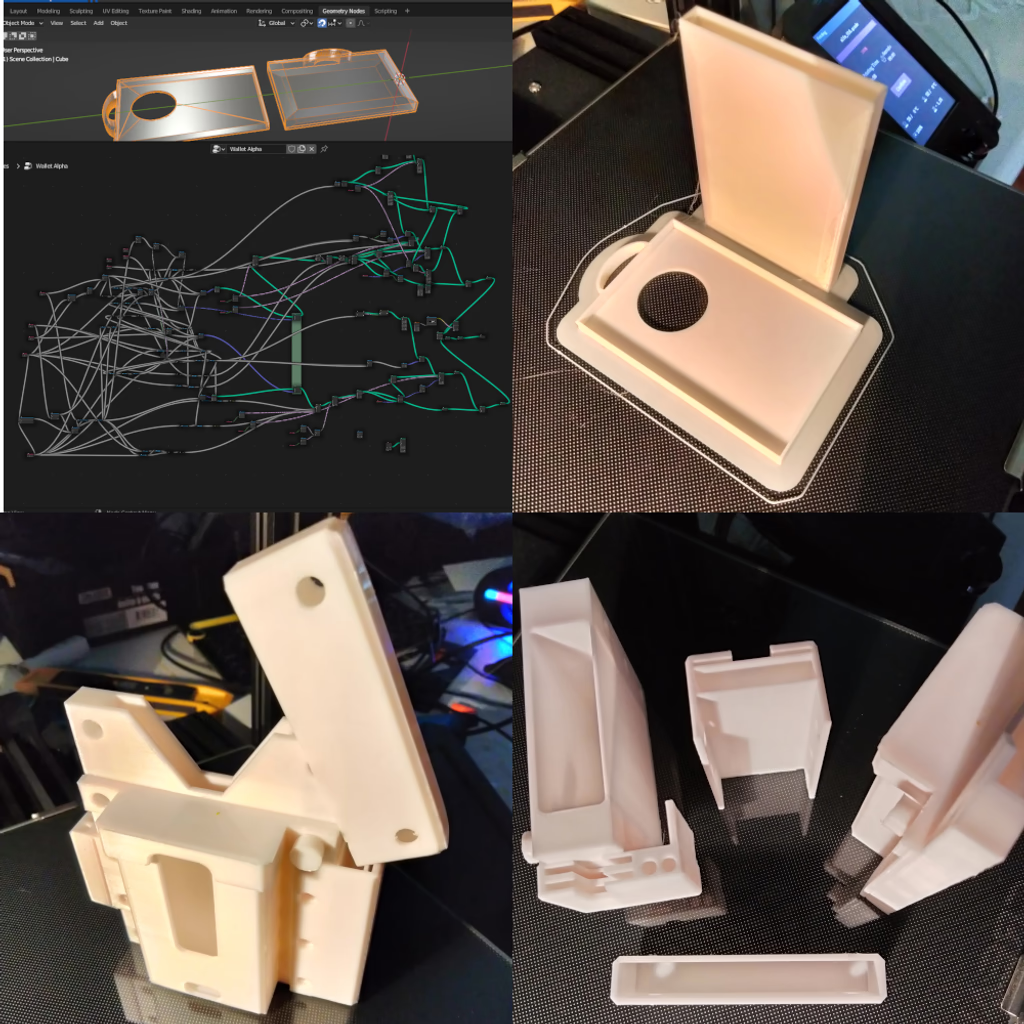
I recently finished my first 3‑D‑printed wallet and, after tweaking its dimensions, discovered that a half‑millimeter clearance was needed between the credit cards and the tray…
The post explains how to build a ring in Blender by starting with a simple circle as the base shape, then adding decorative rails and stone‑seat structures on top of it; it shows…
The post is a beginner’s guide to building a low‑cost Linux machine on a Raspberry Pi (400 or 4) for learning web design and programming. It explains how to set up the Pi with a…
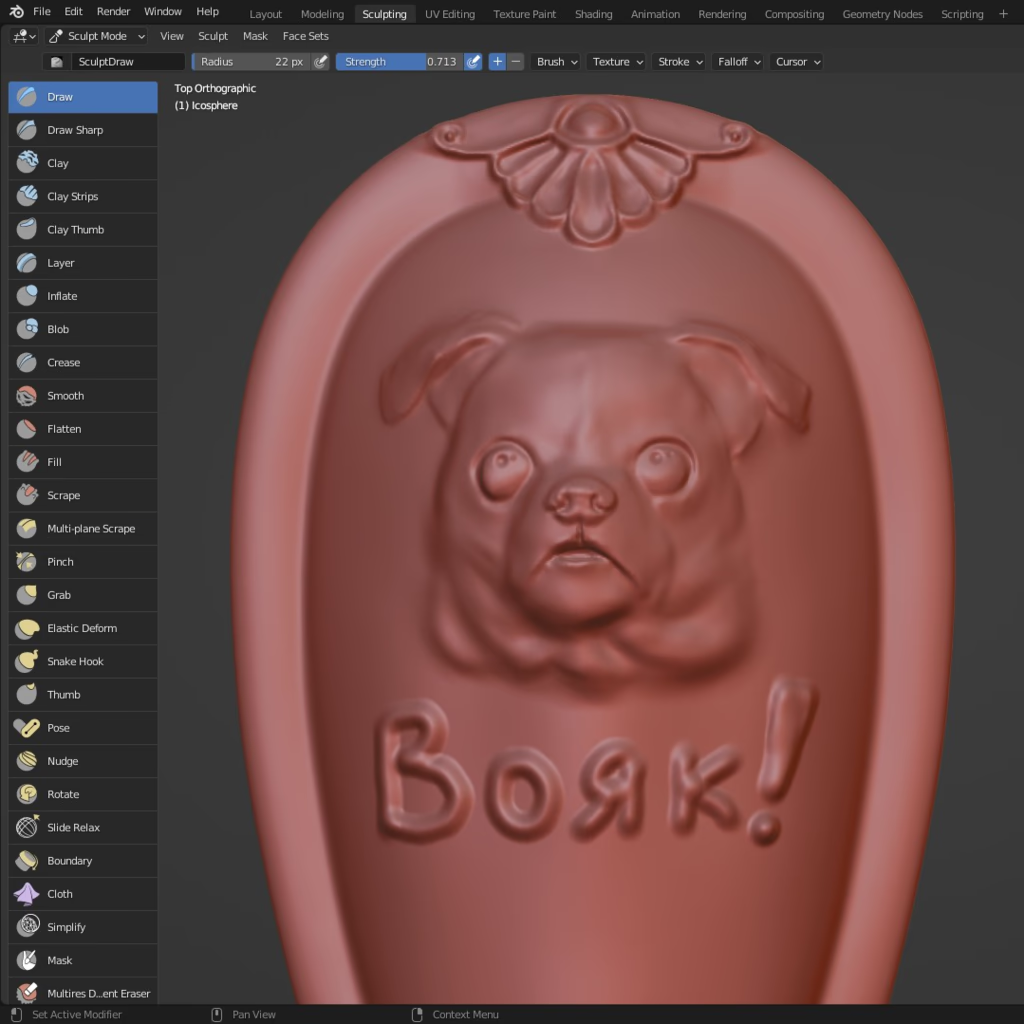
Baroque—an ornamental style that flourishes with lion heads, flowers, vines and other intricate doodads—has slipped from everyday memory but remains a powerful tool for modern…
The post celebrates the joy of 3‑D printing as an almost ritualistic pastime: enthusiasts gather around their machines, eagerly watching each layer build up—like a “cute chicken”…
The post contrasts low‑level and high‑level programming languages, emphasizing how higher‑level languages let developers work with objects like windows and files instead of raw…
The post explains how to build a simple yet powerful web‑application by treating each URL path segment like a “room” in a virtual world, where doors can be opened only with the…
From low‑level bit manipulation up to flexible high‑level features like JavaScript’s eval, the author praises free languages over corporate “cubicle” ones and proposes a…
In this post, the author explains how a “pipe” is simply a connection between two programs through which an object is passed and transformed; they illustrate this with an email…