Archive

Page 30 of 95

How To Become An Artist And Enjoy Every Step

The post explains how to use Krita’s layer‑based “Cat Pea” reference‑image tracing, along with GIMP for color/shape guidance, to efficiently learn realistic portrait painting.

Three Weeks With Pop Surrealism: First Impressions Of The Absurd

The author reflects on their recent Hoistu Cat drawing, noting that adding realism made it more fascinating and emphasizing simplicity in Pop Surrealism; they praise lowbrow art as a powerful, timeless form of expression that can amuse future generations, linking the work to Reddit Gets Drawn and a time‑lapse video. The piece illustrates how playful ideas spawn new worlds, showing that art is both personal practice and universal experience, ultimately revealing who we truly are.

Impressionism 2022

The post contrasts large gallery art with smaller, business‑oriented pieces that may not bring huge profits but can cover everyday expenses like snacks. It then turns to 2022’s “Impressionism Of The Future,” explaining that the style relies on swift shape and color encoding (the Cat Pea Technique) and outlining a workflow for creating a portrait: start with basic colors, refine details, negotiate a realistic price ($20–$30), and showcase it across devices. The author suggests using online marketplaces such as Fiverr, Etsy, and DesignCrowd to reach buyers who appreciate both casual and realistic impressionist portraits, ending with a link to a time‑lapse video of the process.

Art Is For All

The post celebrates art’s enduring love and its tension between machine‑assisted creation and the “free hand,” noting that Renaissance artists used tools to impress royalty yet still drew from personal vision. It praises realism as a foundational gift, encouraging artists to break out of strict lines with all necessary instruments—from dividers to tracing paper—so their hearts race with freedom. The author argues that machines are central to art and schools have mis‑taught thinking for payment rather than creativity. He invites everyone to practice realistic drawing from the start, insisting it is fine to make perfect lines and colors while copying is not a flaw but part of learning. Finally he claims true personal style emerges only after moving beyond realism’s constraints.

The Cat Pea Technique: The Digital Portrait Experiment Is A Success

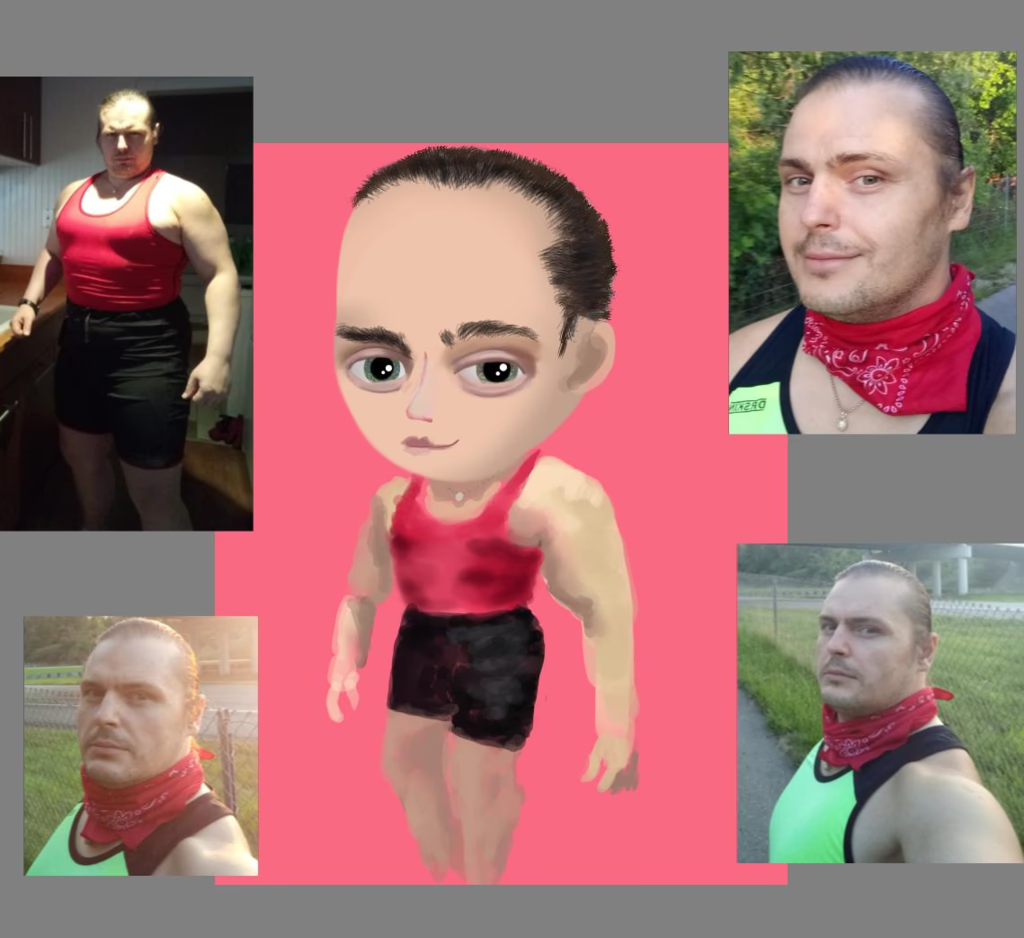
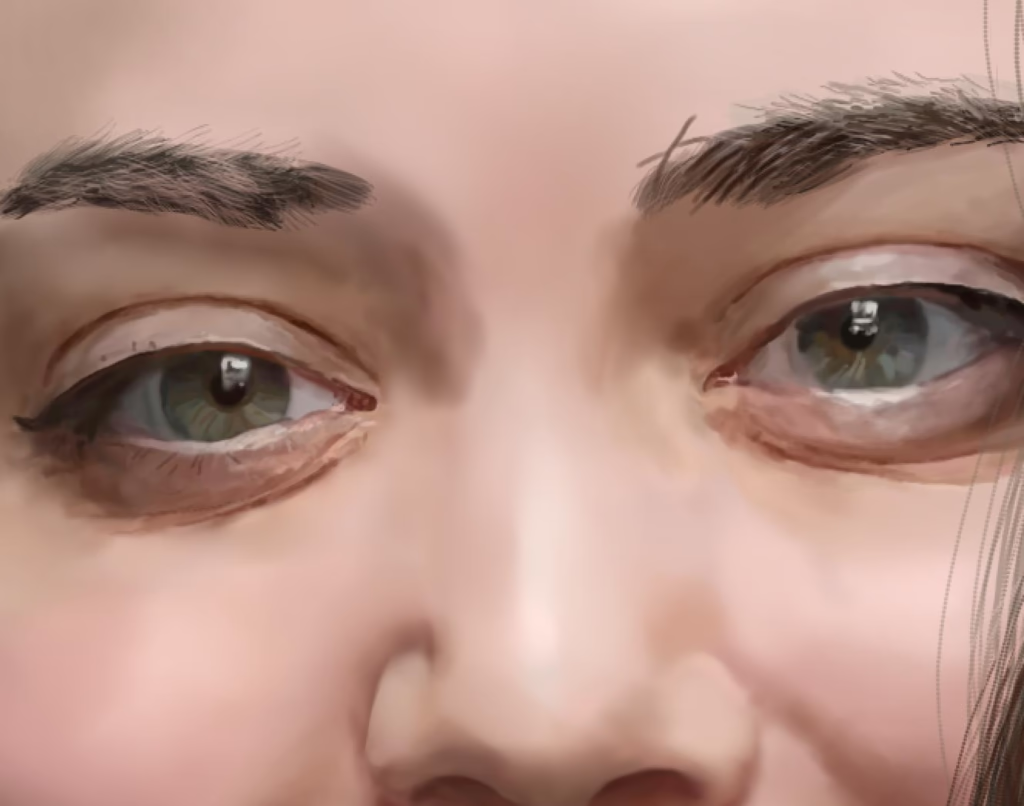
The author recounts painting their favorite gym photo, focusing on getting the eyes right by using a “Cat Pea Technique” that involves first sketching rough outlines in GIMP and then applying large color blocks from a reference image stretched over the entire canvas at low opacity. They describe how the reference image helps set colors for each detail—eyelids, iris, nose highlights—and how they gradually reduce the opacity to 1 % so it’s invisible but still guides color picking. The post also notes that a cheap pen and tablet are sufficient, with Krita as an easy free program, and ends by encouraging others to try digital painting using the same method of reference layers and gradual opacity reduction.

The Cat Pea Technique: Passionately Tracing And Coloring In Krita

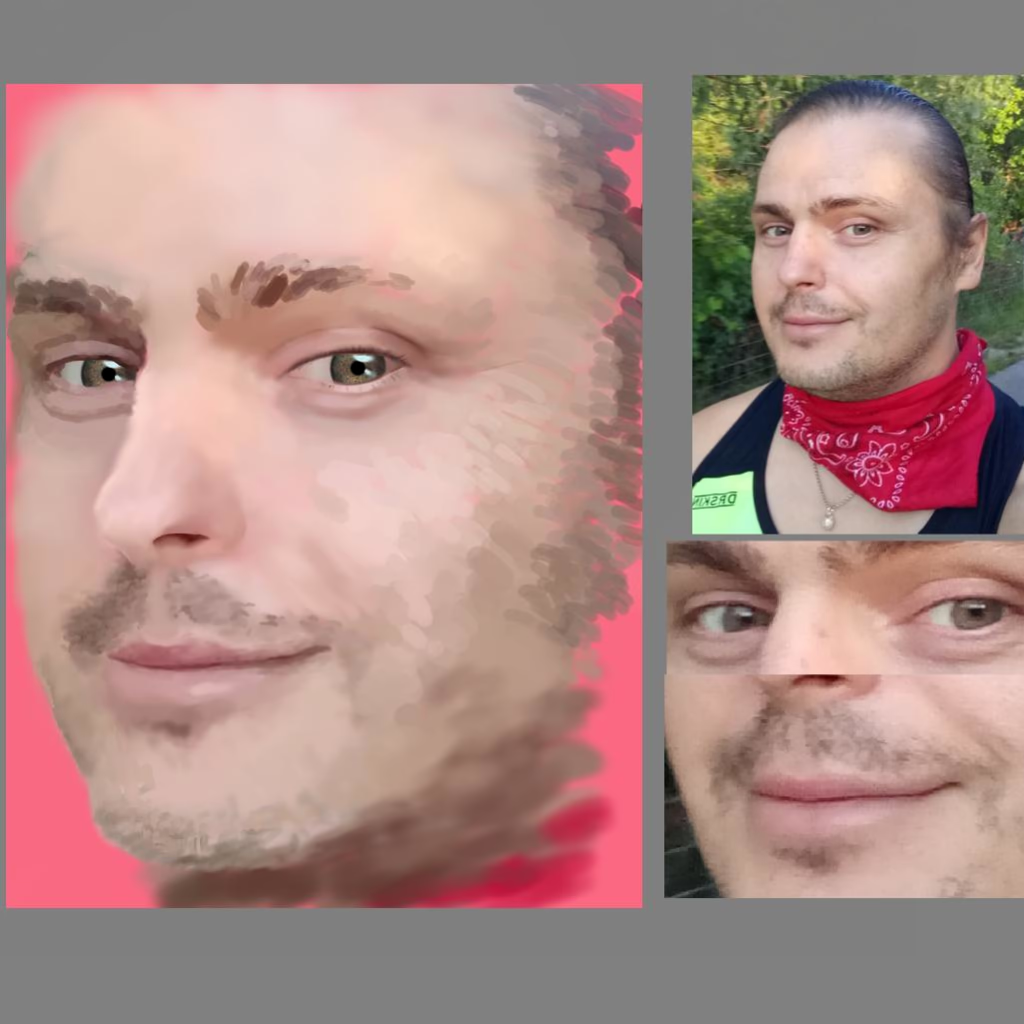
The author explains how to unlock digital painting by using GIMP’s Color Picker in “God Mode”: overlay a reference photo across the canvas at 1 % opacity so that every click pulls exactly the right color from the invisible image; this technique removes the barrier of choosing colors and makes tracing, proportion, and portrait rendering feel effortless. By combining this color‑picker trick with simple brushwork and optional warp transforms, anyone can produce realistic portraits or caricatures in a single session, turning digital art into an open gateway for beginners and seasoned artists alike.

Caricatures!

#0712

Caricatures!

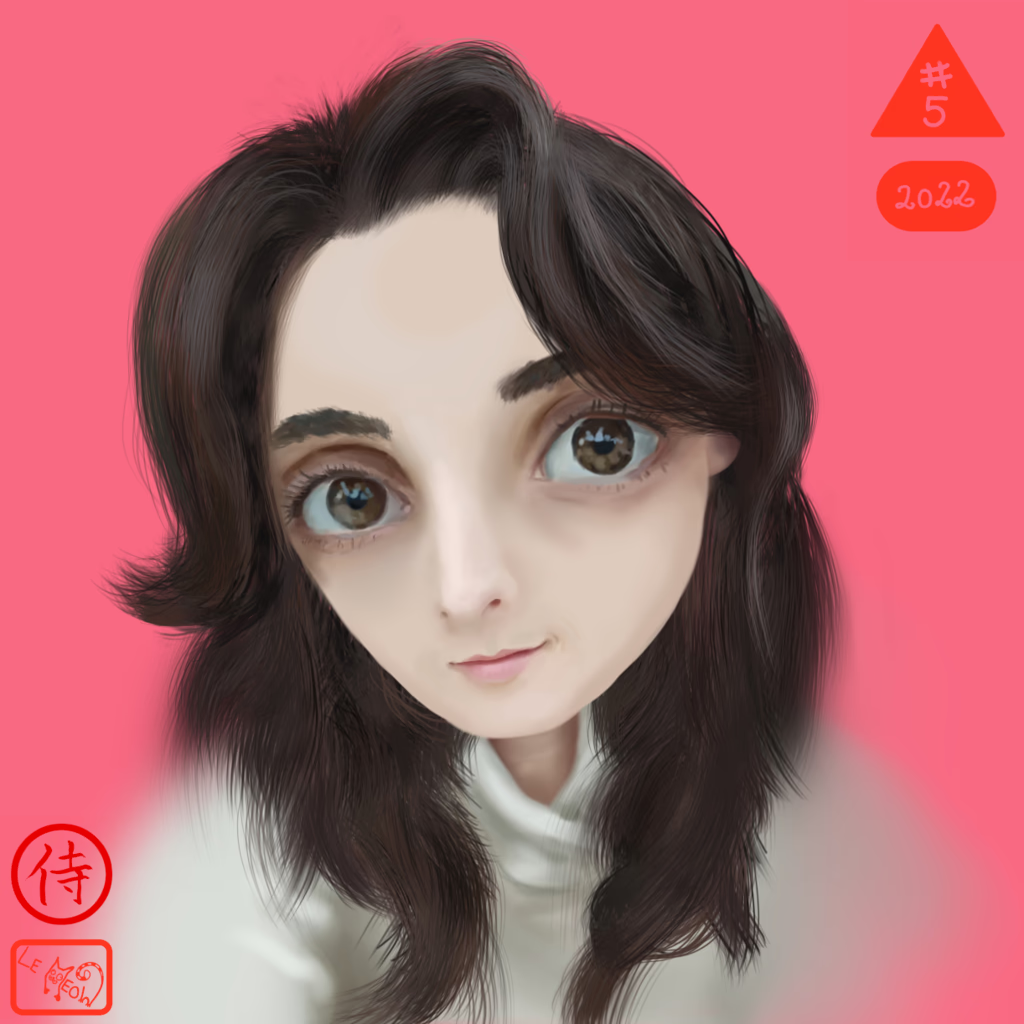
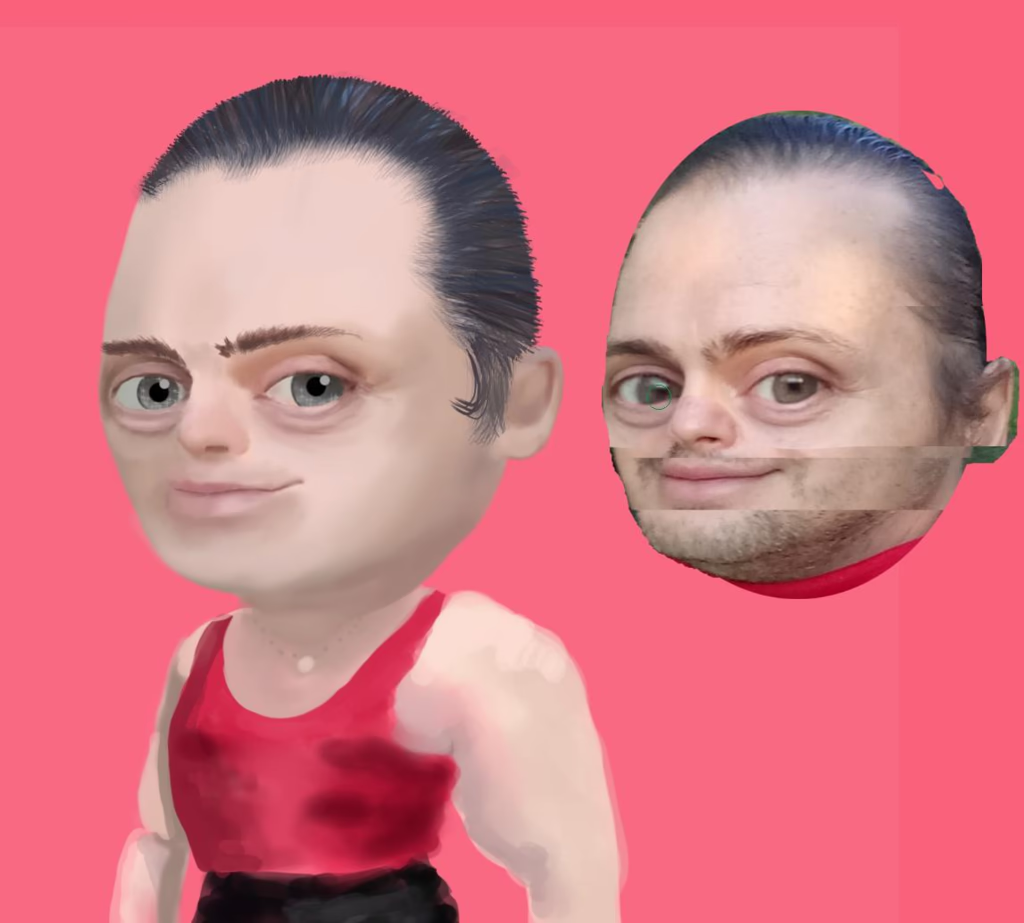
The post explains how male and female faces have distinct caricature features—larger eyes for women, smaller noses and lips, while men’s faces show larger eyes and slightly different proportions—and shows how to use the free open‑source “warp transform” tool in GIMP (and its successor Krita) to liquefy a photo, enlarge or shrink features, then trace, paint and decorate it into a digital caricature. It stresses that color accuracy is as important as shape, recommends abstract backgrounds so portraits look like they burst from paint, and gives practical pricing advice ($50 per portrait), time estimates (about five hours at first, dropping to one‑two hours later) and notes the high commissions of online marketplaces. Finally it suggests building your own platform with a small 5 % cut to avoid large platform fees, while keeping in mind security and payment processing (e.g., Stripe), concluding that everything starts with simple art.

You Are An Artist

The post explains how to use Krita’s Reference Image Picking feature—placing a reference image on an invisible layer (1 % opacity) so that the color picker always samples from it—giving artists instant access to accurate colors even on empty canvases. It lists other helpful techniques such as wall projectors, graphite paper, tracing, pouncing, dark room setups, and perspectographs, noting they are both beautiful tools and art in themselves. The author then urges beginners to start with simple tracing to build hand‑eye coordination and learn fundamentals, recommending a cheap pen and tablet, followed by a basic Krita tutorial and regular commissions as practice; ultimately framing photo realism as the first step toward mastering portrait creation.

Get Mad And Turn Everyone Into A Bobblehead

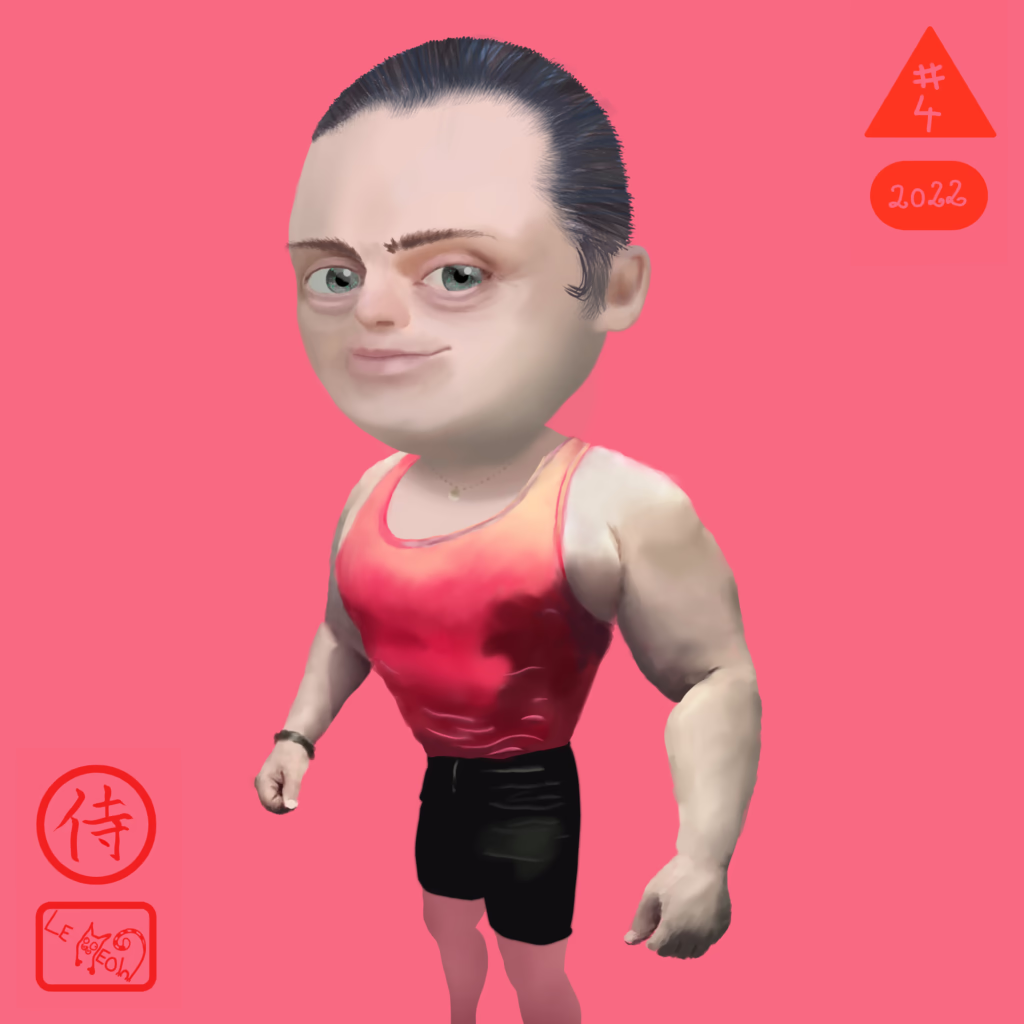
The author argues that true learning comes from mastering practical skills—like programming and digital art—and not from rote memorization in a broken school system. By using tools such as Krita, Blender, and Ender, students can create self‑portraits, caricatures of teachers, and even 3D bobbleheads to demonstrate their abilities, turning these projects into tangible “real” education. The post encourages filming short documentaries that expose the shortcomings of conventional textbooks and exams, thereby turning personal learning into a broader cultural movement. In essence, art and hands‑on practice are presented as the most effective ways for students to rise above a system that prizes diplomas over genuine skill.

Education As A Quest For New Talents

The post argues that traditional subject‑based high school math is too rigid and fails to engage students, whereas a talent‑oriented, project‑based approach—using tools like p5.js, reactive frameworks, and real‑world programming tasks—lets learners apply concepts in creative ways, boosting problem‑solving skills and reducing the need for debt. By integrating interactive games and collaborative projects into the curriculum, schools can better unleash students’ talents, keep them out of poverty, and restore the relevance of math to everyday life.

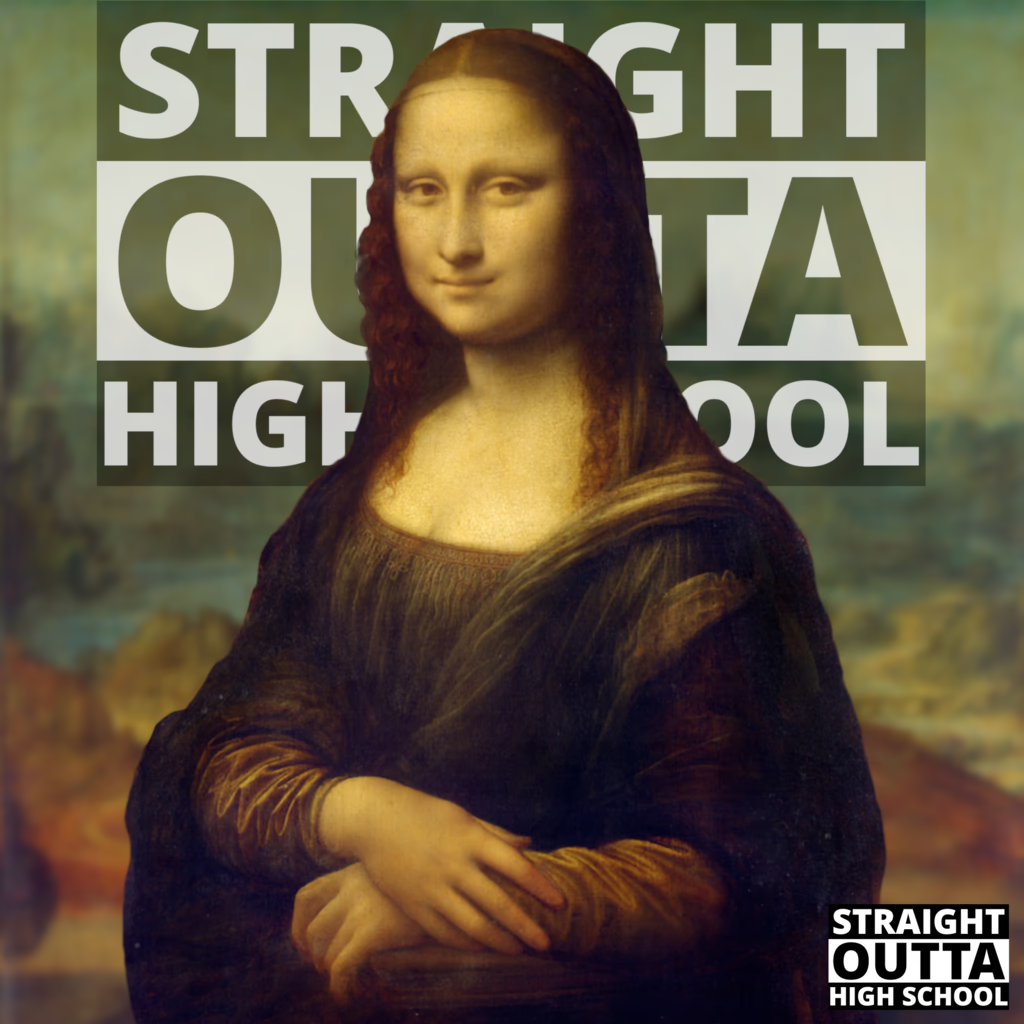
Don't Try To Paint The Whole Mona Lisa In One Go

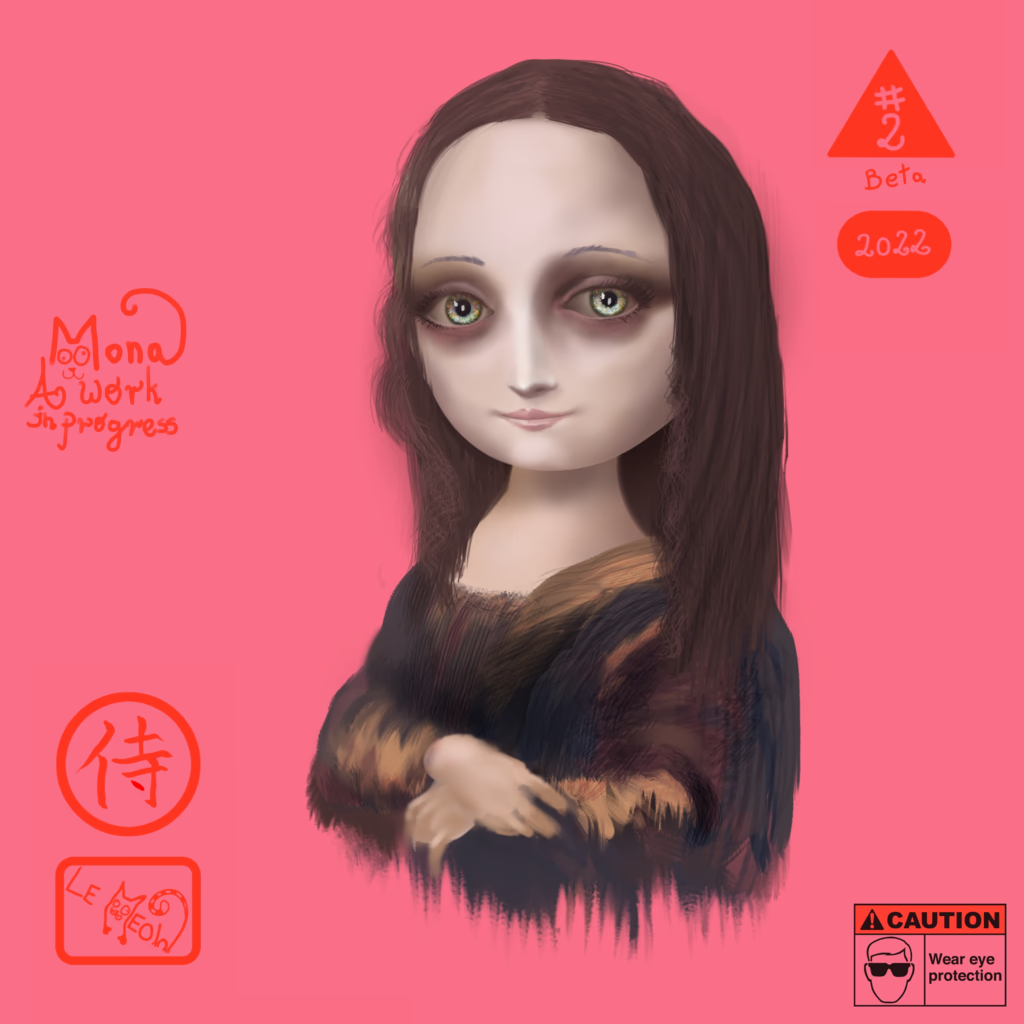
The post explains how to approach portrait painting by breaking it into manageable parts: start with an outline and work layer‑by‑layer, adding details gradually without relying on rigid systems; it suggests using both oil and digital media (e.g., Krita on a $40 tablet) for practice, notes the importance of patience and incremental progress, and emphasizes that each element can be added or erased independently to build a coherent image.

The Discovery And Practice Of Lowbrow Art

I’ve been chasing my love of art for years—starting with Coralie Clement’s YouTube tutorials and wandering into the biggest bookstore I could find, where thick volumes of doodles, stickers, and reference graphics taught me the value of freehand drawing and creating my own art books. From those pages I discovered lowbrow/Pop‑Surrealism, which pushed me to blend realism with cartoonish flair and experiment with resizing figures like a new “Mona” portrait until it looked just right. Watching my grandma’s framed copy of *Lady with an Ermine* inspired me to learn animal painting, while the success of custom celebrity portraits on Etsy gave me a practical way to build a portfolio—selling digital works for $25–$50, printing and framing them locally, and even offering speed‑painting or time‑lapse videos as paid tutorials. With each small hobby I’ve added another revenue stream—from quick prints to potential co‑founded art companies—yet the real payoff remains the creative growth that comes from practicing and sharing art.

An Anonymous Open Letter To All The World's Teenagers

The author proposes that by tying universal income and real education to ecological indicators—using the Amazon’s health as a measuring stick—and building authentic schools, we can create a self‑sustaining cycle that ends poverty and prevents future collapse.

The Electric Blanket

The post celebrates the comfort of an electric blanket as a winter savior for both people and their pets. The author notes how this simple device keeps them warm through cold nights, offers links to related products such as heated pet pads and car seat cushions, and shares personal anecdotes of writing and composing spring sounds while wrapped in its glow. In short, the piece extols the blanket’s cozy convenience and recounts a day when the author's winter poems were penned beneath its comforting heat.

Groundhog Day: Six More Weeks Of Winter

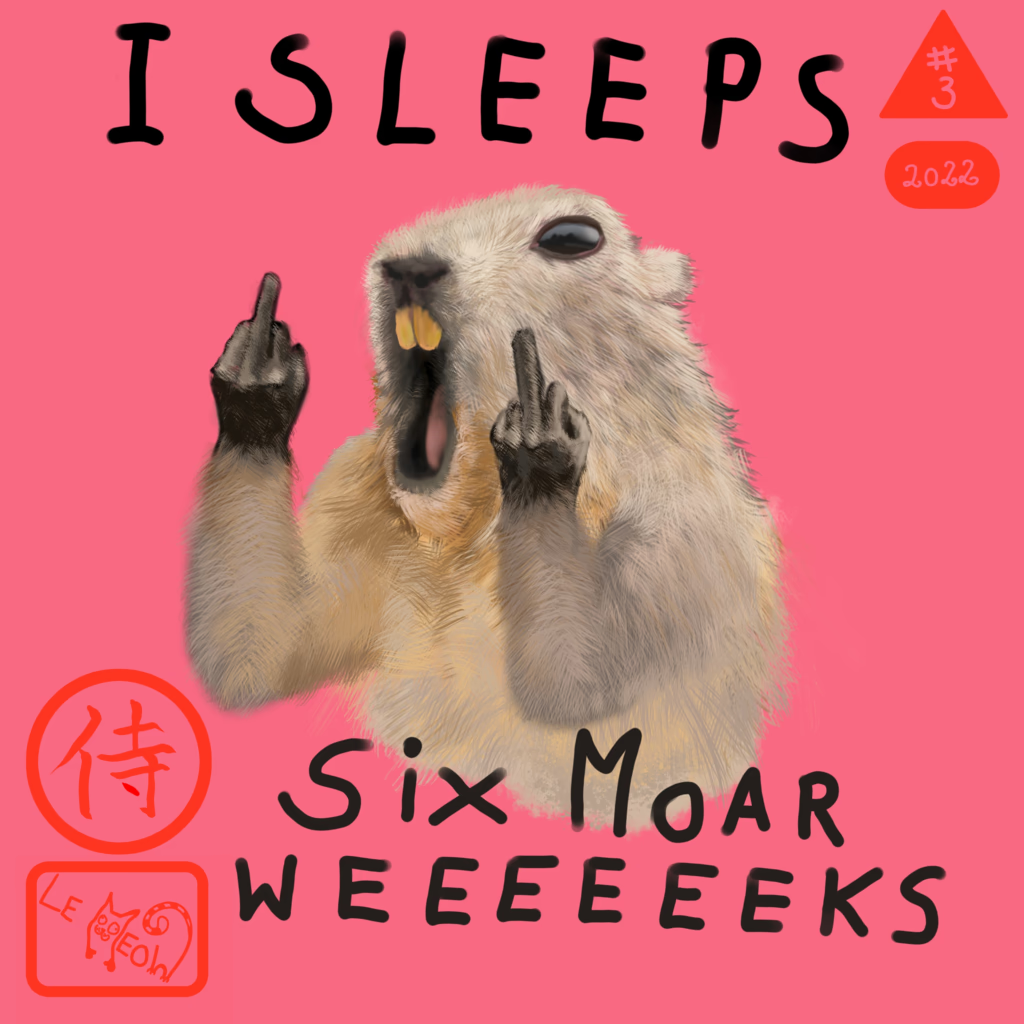
The post describes a strange animal that “speaks” and governs winter, craving extra weeks so it can rest. It appears tired and old, and people fear the cold it brings. Rumors say it eats babies and has been mad with rabies; since 1886 it’s been manipulating weather and even has political allies. Known only by a pseudonym, some adore it while others dislike it, and attempts to recreate it have been made. It is described as judicious, mysterious, and suspicious—yet we hope to learn more about it, though our chances are slim; ultimately it will rule humanity, and if we want more sleep, snow will follow.

Mona Lisa's Eyes

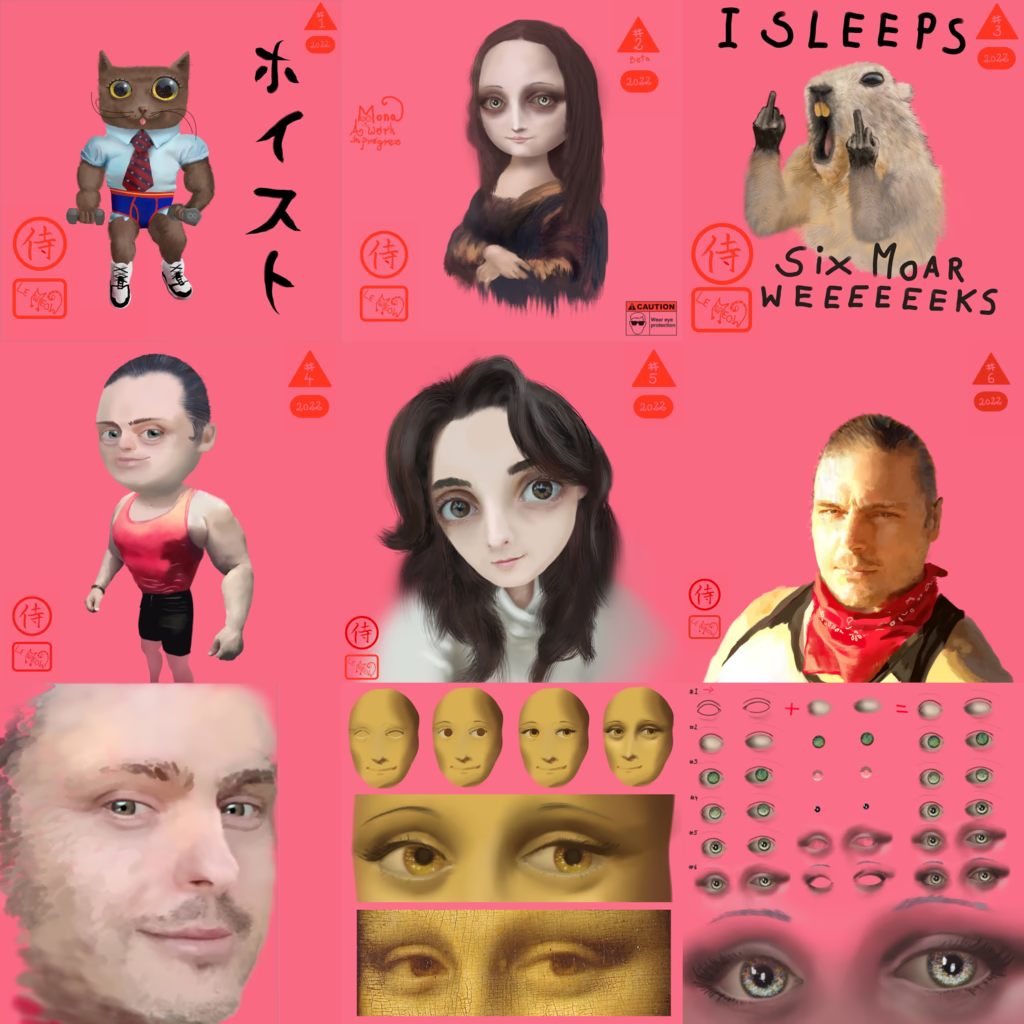
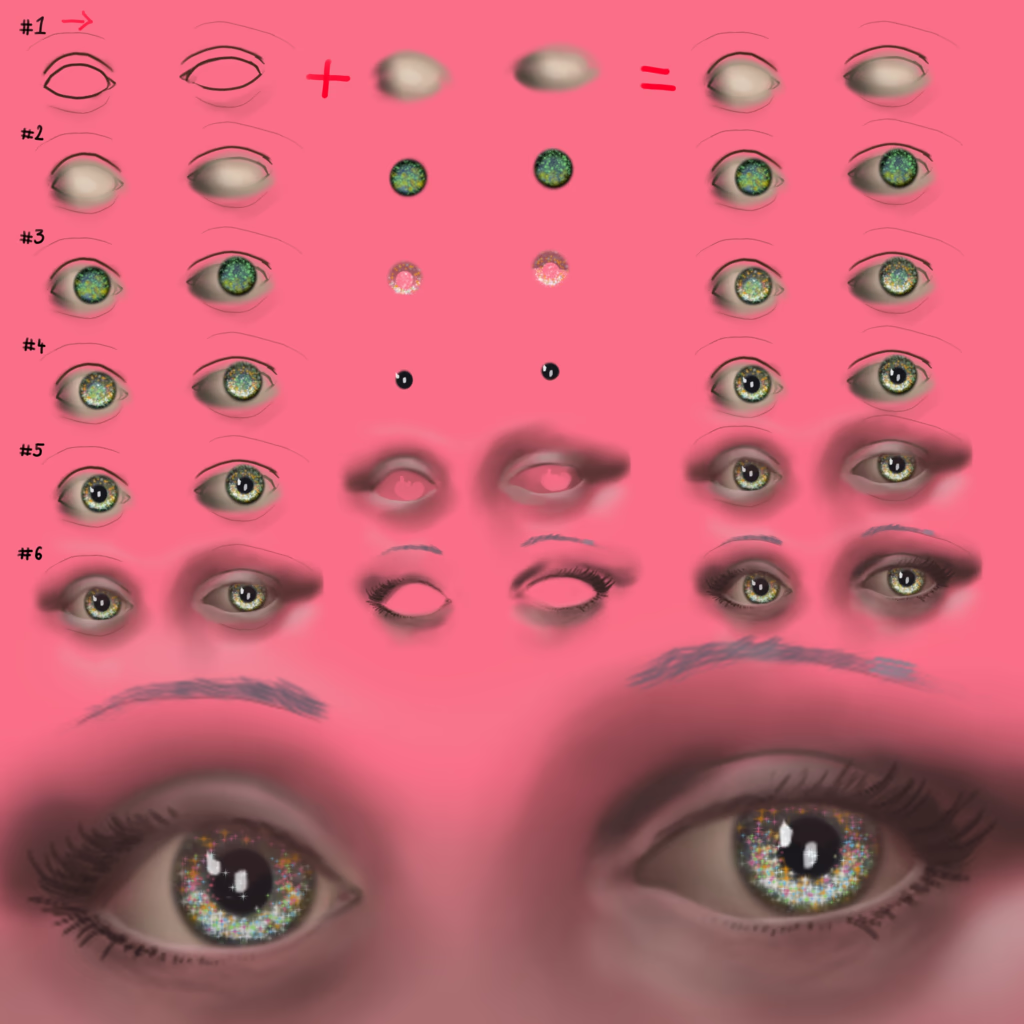
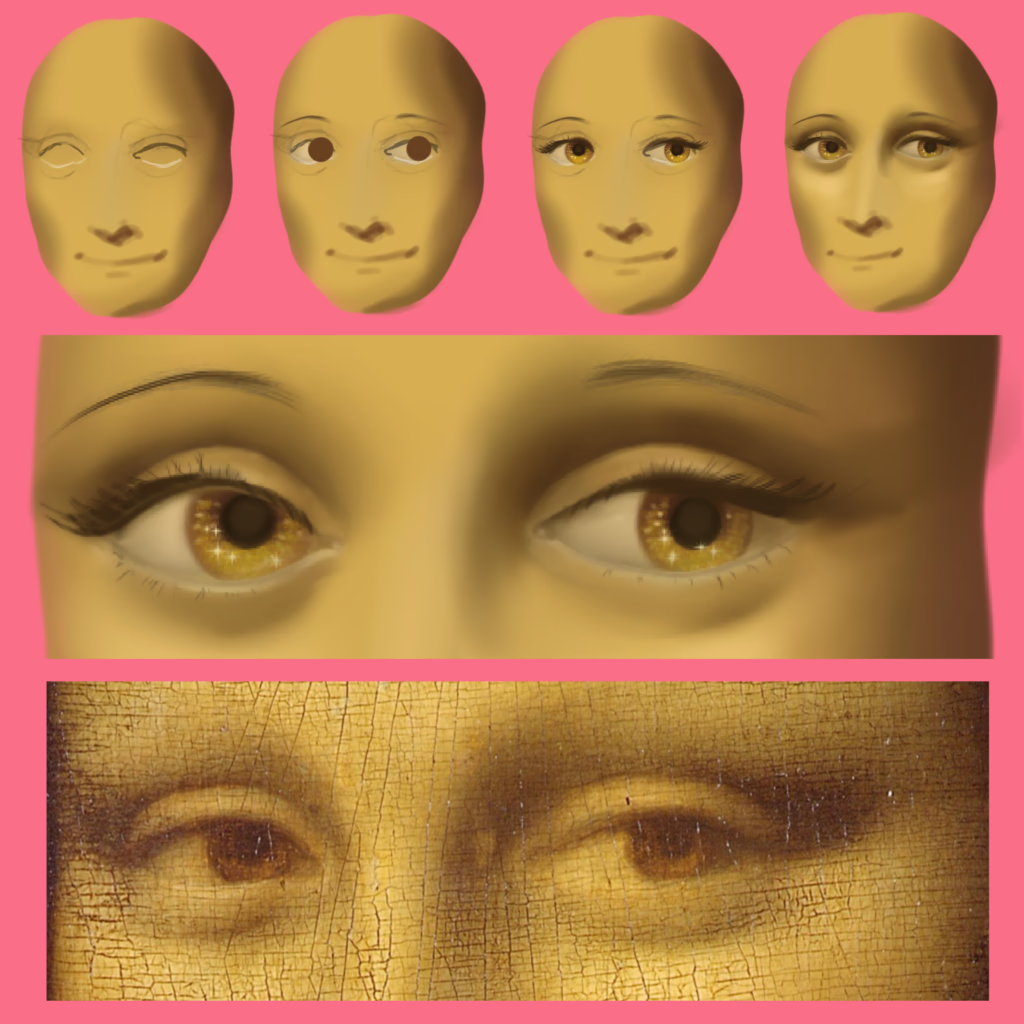
The post treats Leonardo’s *Mona Lisa* as a teaching tool, urging artists to focus on its iconic eyes—“windows to the soul”—as a starting point for practice. It recommends using a simple four‑ or eight‑step system (and a video tutorial if preferred) and highlights tools such as Krita’s “M” key for mirroring, careful layer naming and locking, hue adjustments to skin tones, and even searching online for eye‑painting references. The writer encourages experimenting with style changes (e.g., Pop Surrealism), practicing on canvas or panels, and ultimately using the finished work as a phone background and as material for prints, key‑chains, posters, or other creative projects, all while building a personal style through repeated practice and exhibition exposure.

Wisdom: Our Most Natural And Greatest Superpower

The author argues that wisdom—our defining trait as “Wise Beings”—is the key to human progress and must be actively cultivated through learning rather than rote schooling. He cites book‑burning, laws limiting education, and religious fantasy as deliberate tactics to deny people wisdom, while praising self‑education via narrated books, free classics, and nature trails. Schools are seen as corrupt but still valuable vehicles for early wisdom if properly used. The text emphasizes that listening to great works, not just passing exams, leads to creativity, insight, and prevention of corruption. In sum, the post calls for a return to ancient traditions of learning through books and the outdoors, so that wisdom’s flame can spread and secure our future.

A Letter To Brand New Artists: Mona Lisa Calls To You

The post encourages readers to take charge of their own education by mastering tools such as a pen tablet, GIMP, Krita, Inkscape, Blender, and even an Ender, while drawing inspiration from the Mona Lisa; it stresses that school and politics can feel confusing but that true learning begins with Linux and graphic design, leading to creative growth and eventual business start‑ups; the author reminds us that progress is personal, that we must keep building our own path, continually grow beyond adults’ expectations, and ultimately bring about change in a world that feels broken.

Art Is Something Else

The post celebrates how creativity unfolds through continuous exploration: artists learn by adventure, repeatedly generating new ideas that evolve from simple doodles to mastered techniques. It highlights the iterative cycle of creation—sketching, experimenting with stickers or other tools, and refining until satisfaction—and shows how art can transform ordinary objects into remarkable works, like a balloon, loom, or early computer. The author further claims that stories and everyday life are themselves works of art, growing like a giant tree, and encourages readers to begin their own creative journey, even if they have no prior experience with doodles.

Pipe Programming: A Look At Object Passing And Transformation

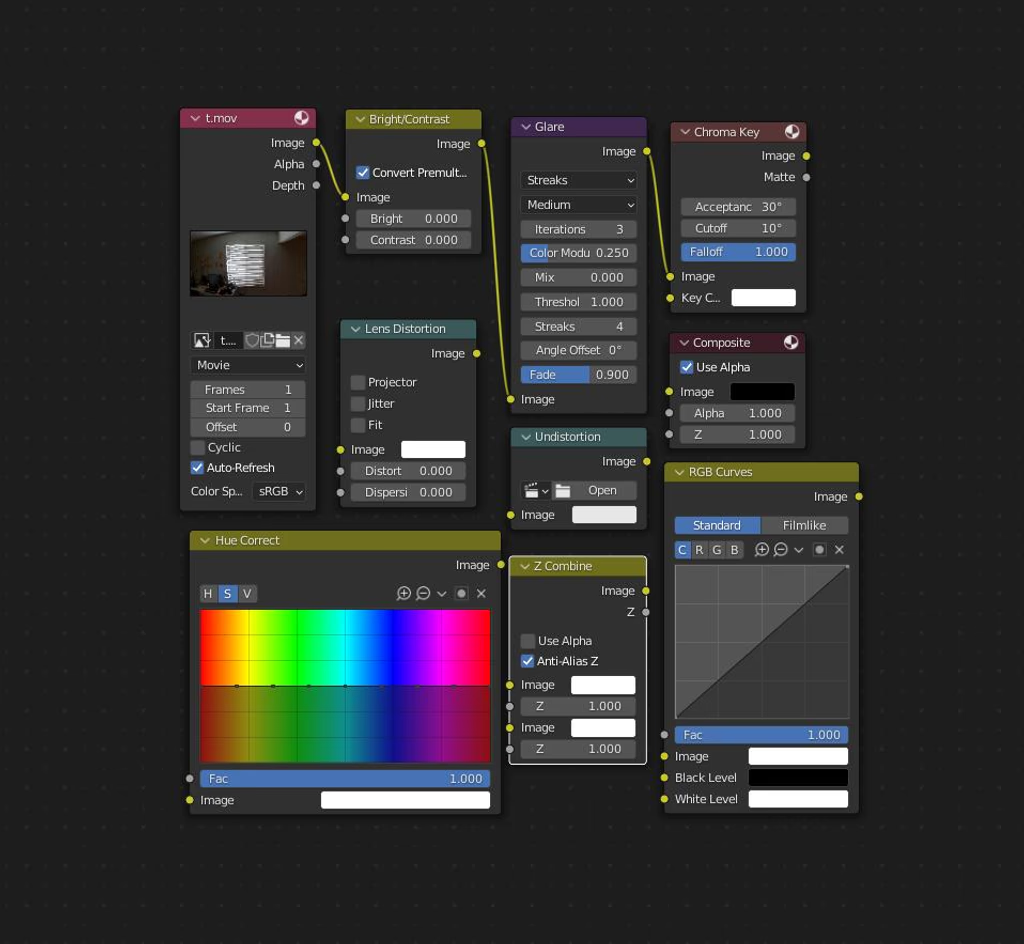
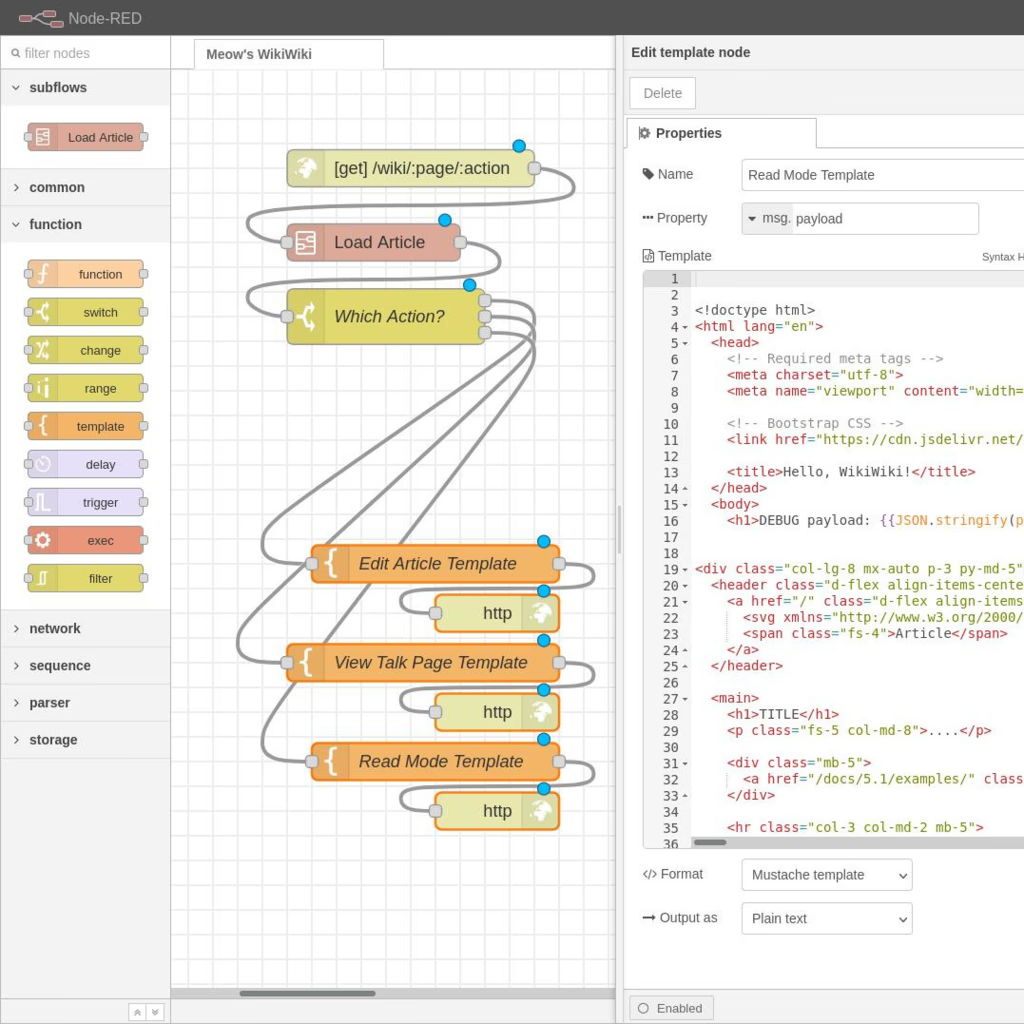
In this post, the author explains how a “pipe” is simply a connection between two programs through which an object is passed and transformed; they illustrate this with an email client that sends a login request to a server and receives back an email list, and then show how such pipes can be built in visual tools like Node‑RED or command‑line utilities such as ffmpeg, where each step (input name → transformation → output name) is chained together. The discussion covers injecting properties into objects (e.g., adding username/password fields), automating pop‑ups to collect those values, and reusing these operations in sub‑flows. They also touch on streaming data frame‑by‑frame—Blender’s video processing or ffmpeg’s pipe‑based pipelines—and conclude that keeping the model down to just programs, pipes, and objects yields powerful yet simple abstractions for both desktop and mobile visual programming.

Growing Up: It Is All About Your Brilliance

The post is a lyrical exhortation to personal growth and self‑learning: it urges readers to step beyond inherited routes, keep acquiring knowledge, and let their own “brilliance” lift both themselves and humanity out of poverty. It repeats that each generation can bring light to the world by using its collective wisdom and creativity, and that individuals must not let anyone else cut them off from this potential.

A Glance At Future Of Programming: A Neat But Incomplete Introduction To Coding

Node‑RED is a low‑code visual programming platform that lets users design event‑driven applications by connecting nodes on a canvas, thereby simplifying code composition and hiding the underlying JavaScript logic. It blends graphics and a text editor, requires modest RAM, and supports modularity so developers can focus on layout while reusing prebuilt blocks. Installation is straightforward with npm, and tutorials (YouTube, cookbooks) help users learn both Node‑RED itself and the broader Node.js ecosystem. Though still somewhat cumbersome to set up, its intuitive node architecture and JSON export make it a promising high‑level editor for beginners and seasoned developers alike.

ホイスト: Into The World Of Pop Surrealism

I recently completed my debut Pop Surrealist piece, “Hoist U!”, a whimsical painting that blends Superman’s leotard with oddly placed underwear and a Harvard tie to explore themes of identity and education; I used Krita on a Pen Tablet for roughly 20 hours, employing techniques like the Q‑Tip brush preset for fabric folds, transparent gray strokes for glassy eyes, and gradual fur shading, while also experimenting with background color palettes inspired by anime, and reflecting on future projects such as celebrity caricatures and Blender sculptures—all of which I plan to showcase in my first art book.