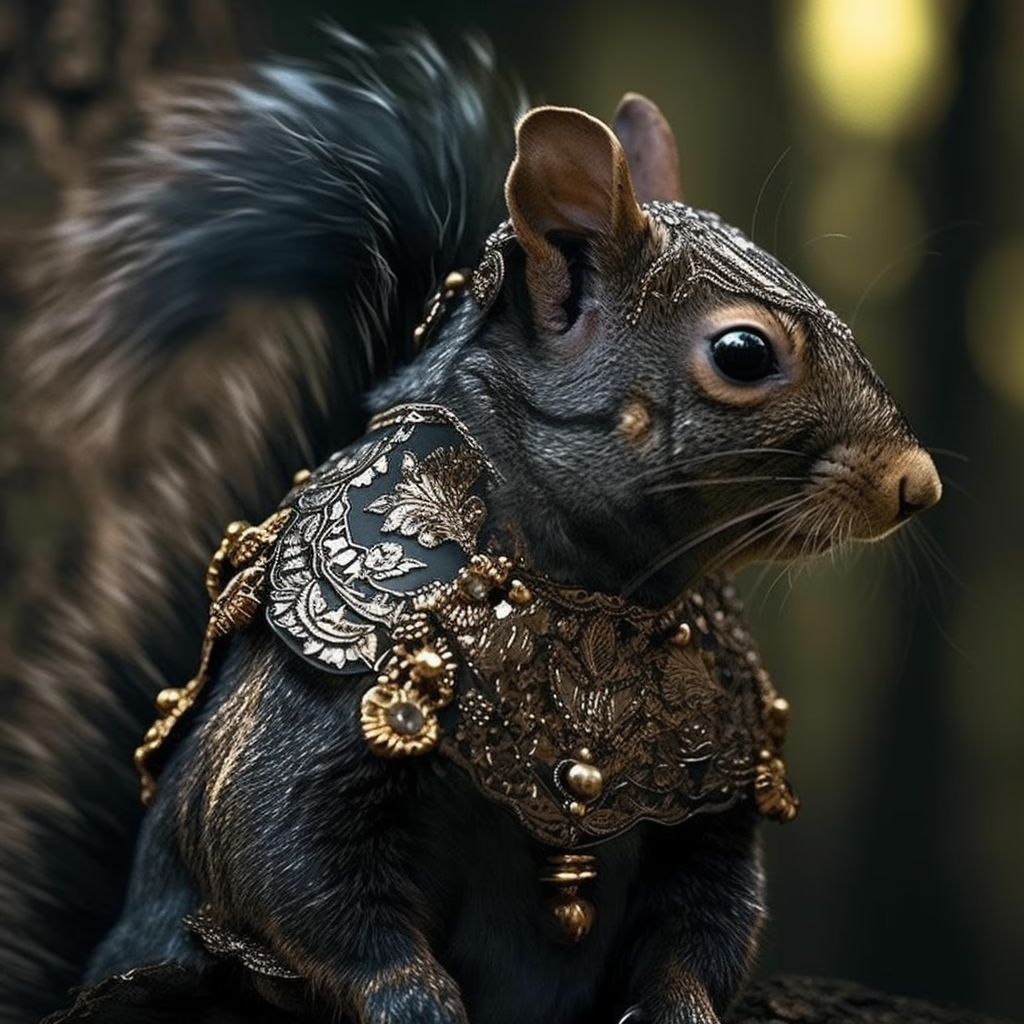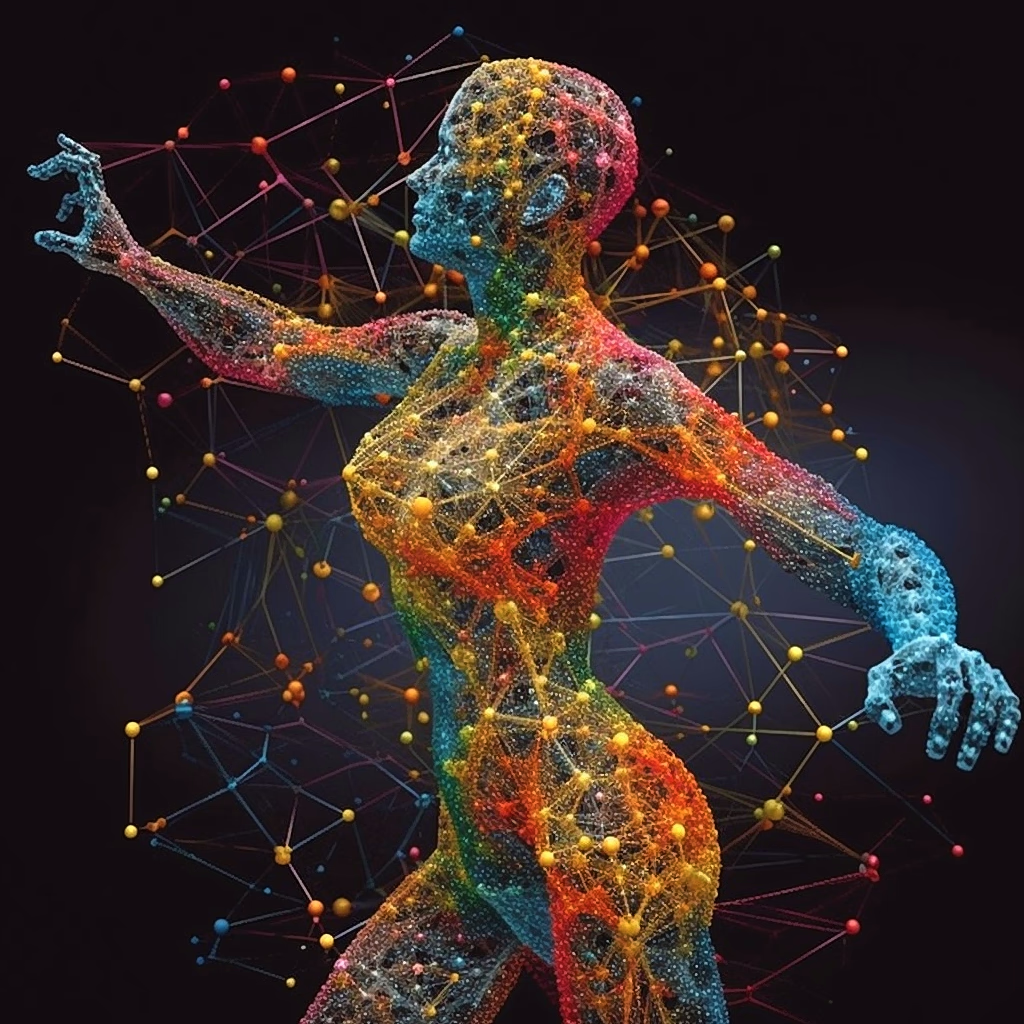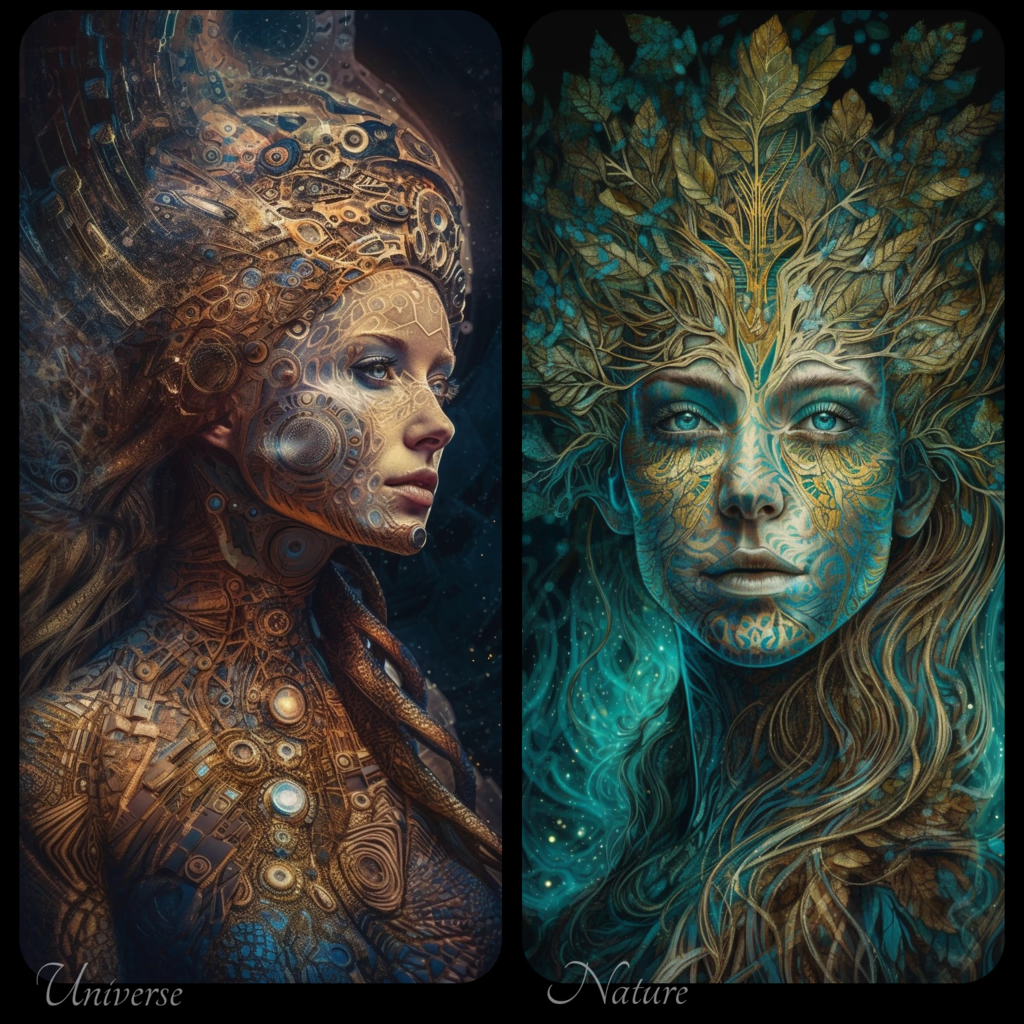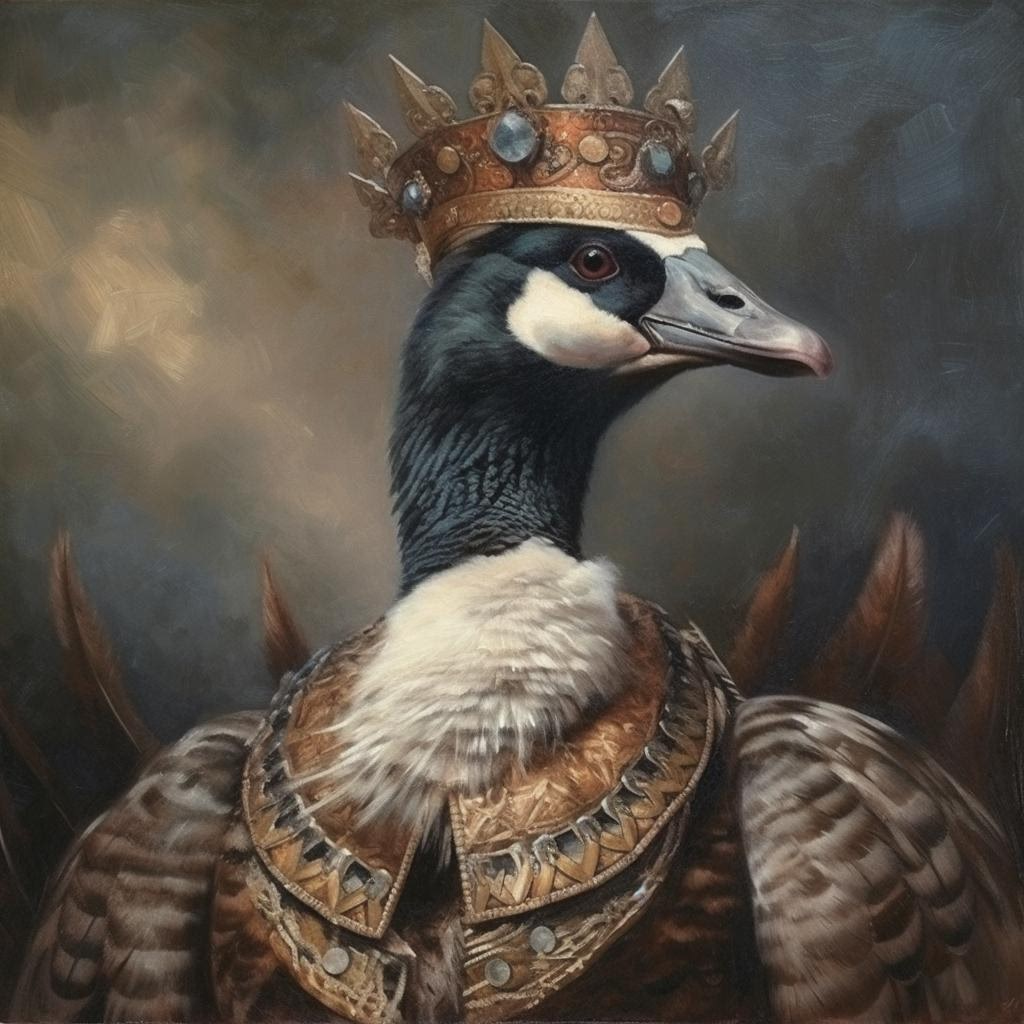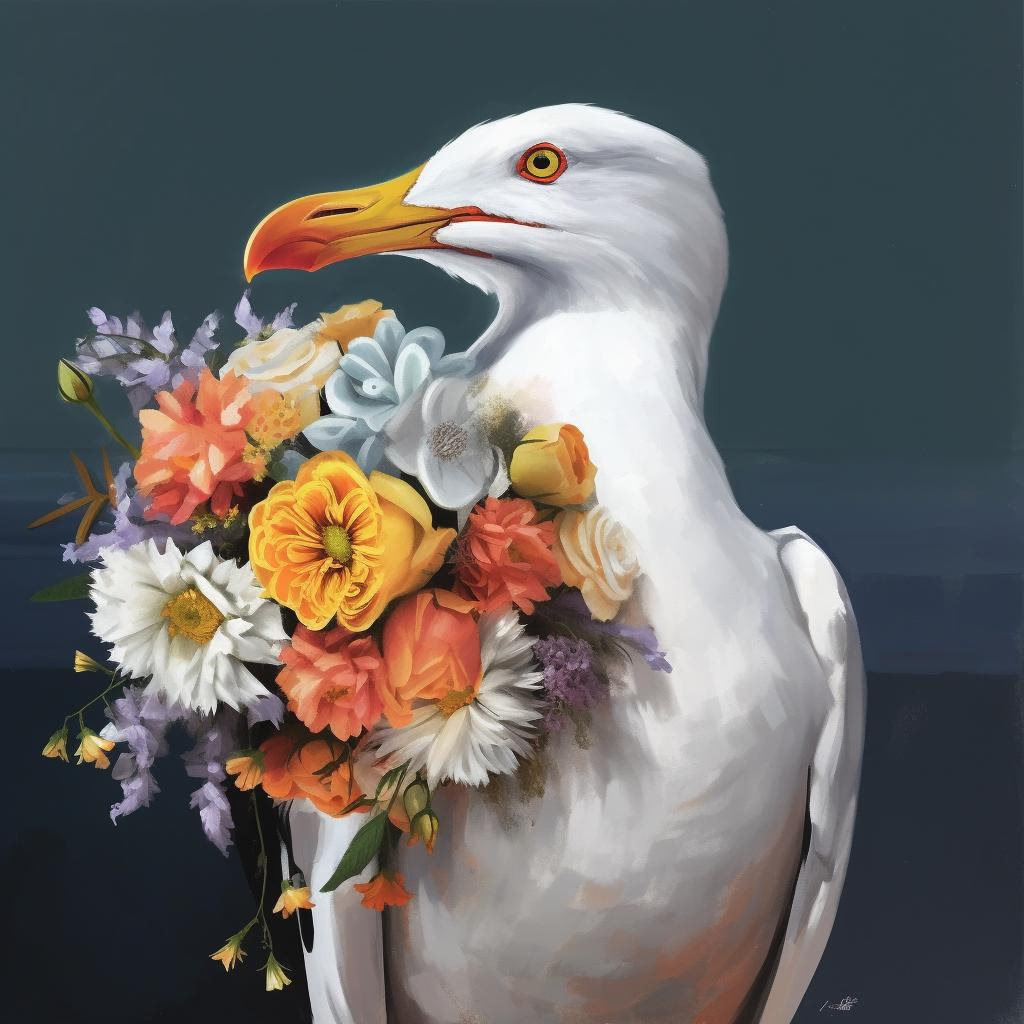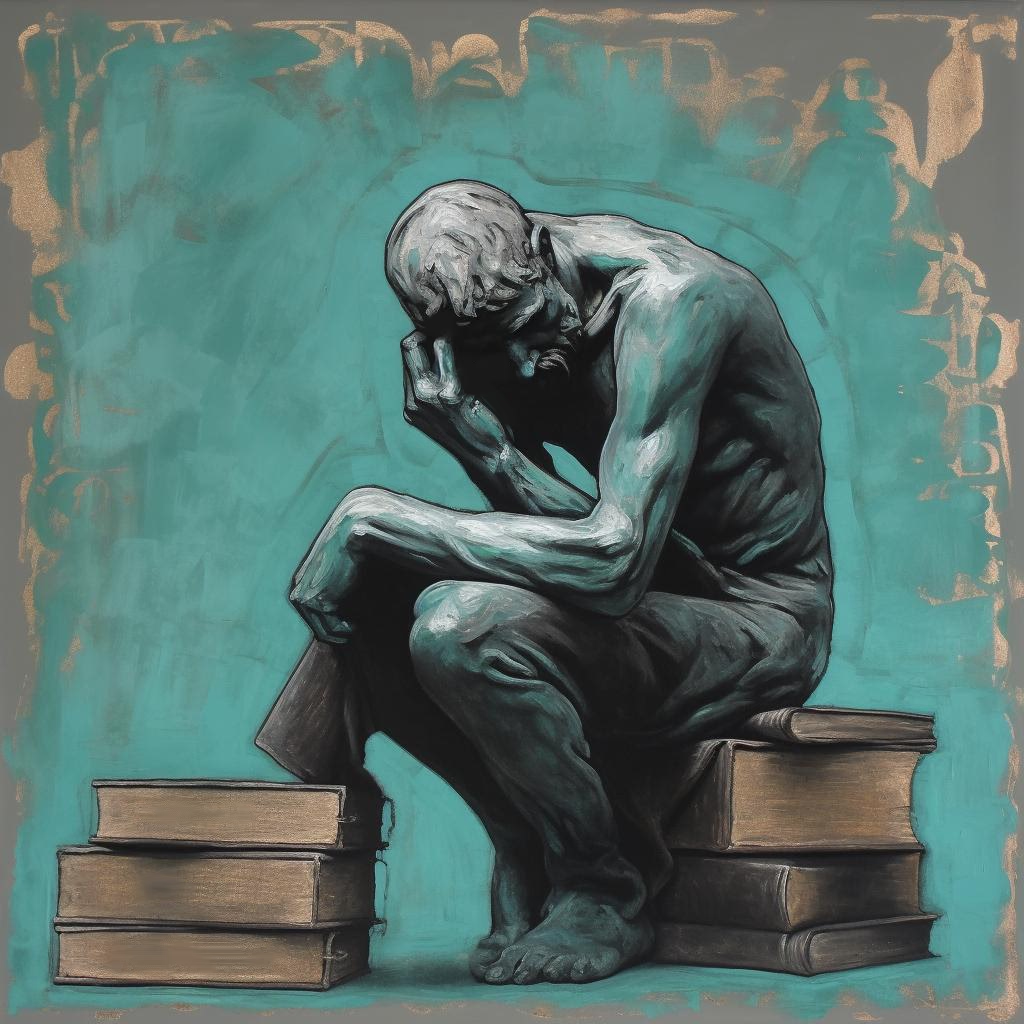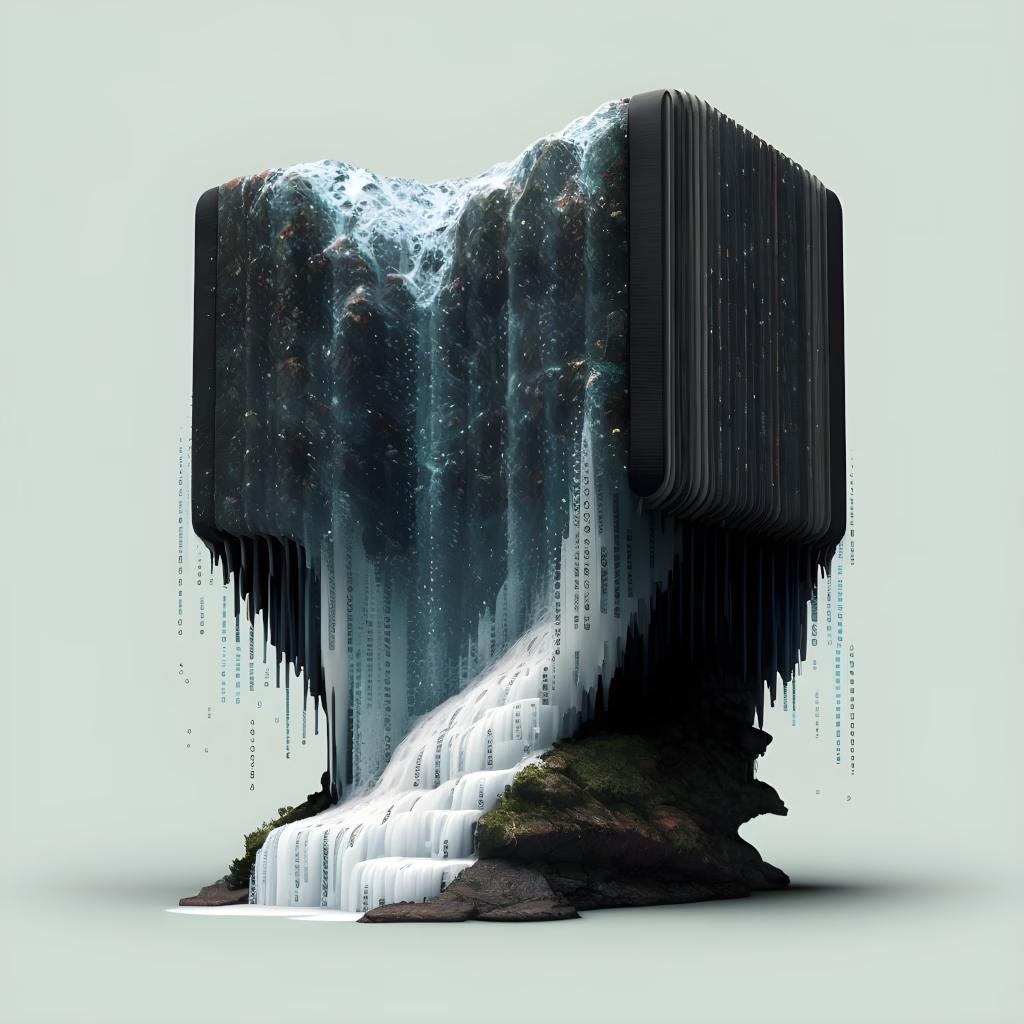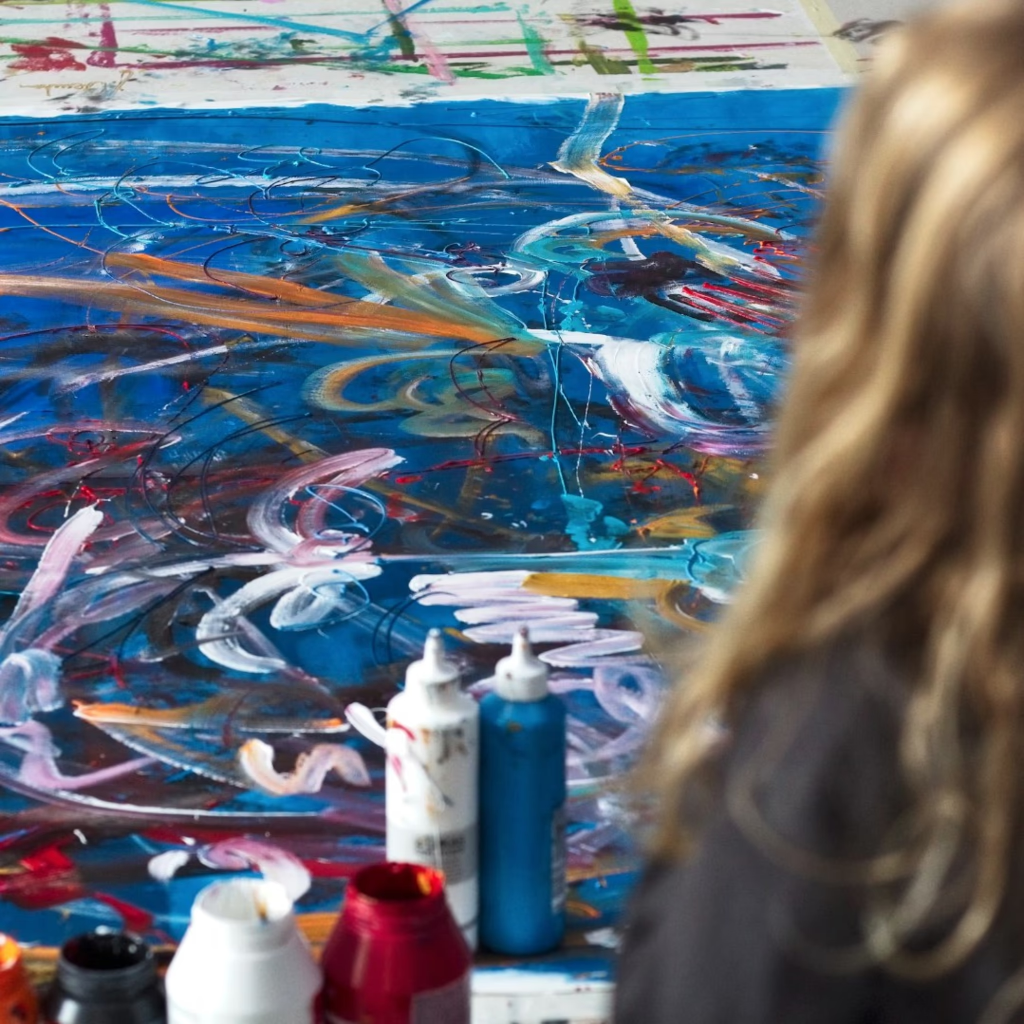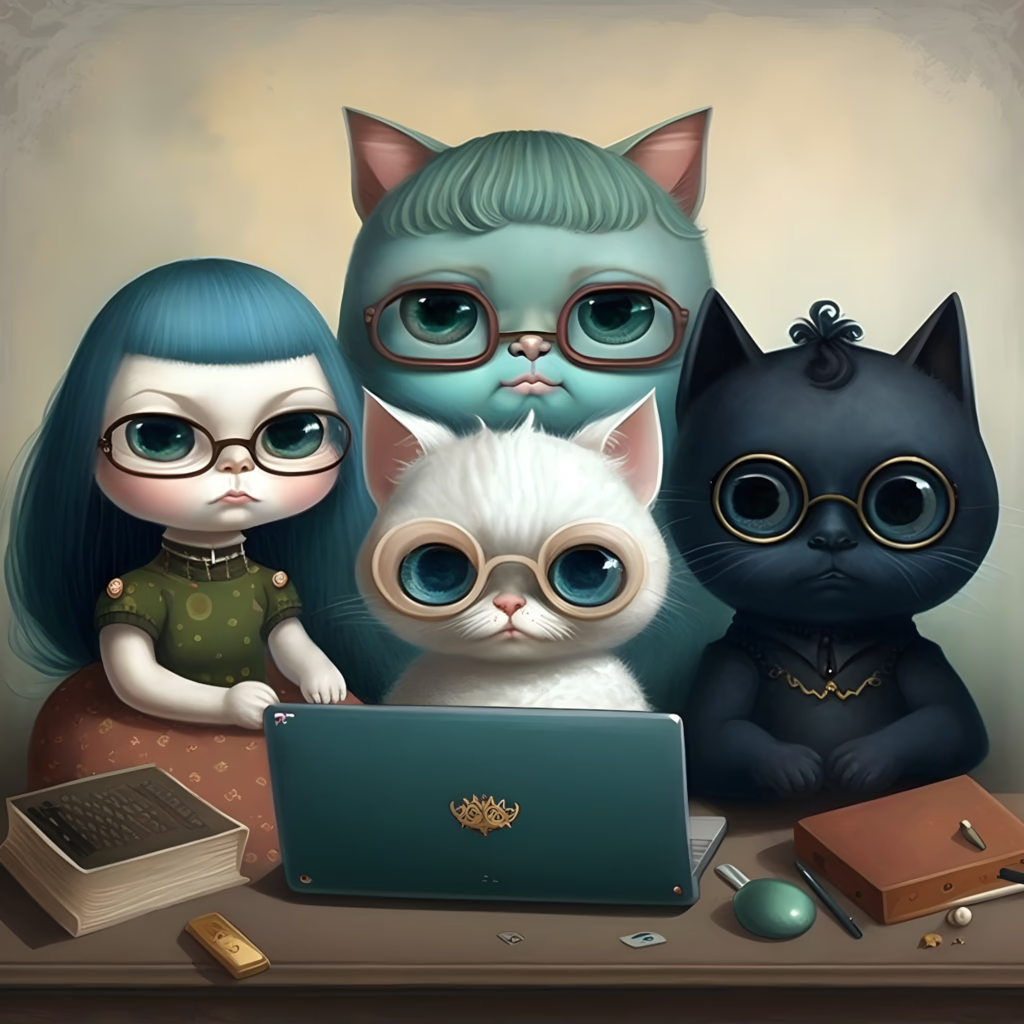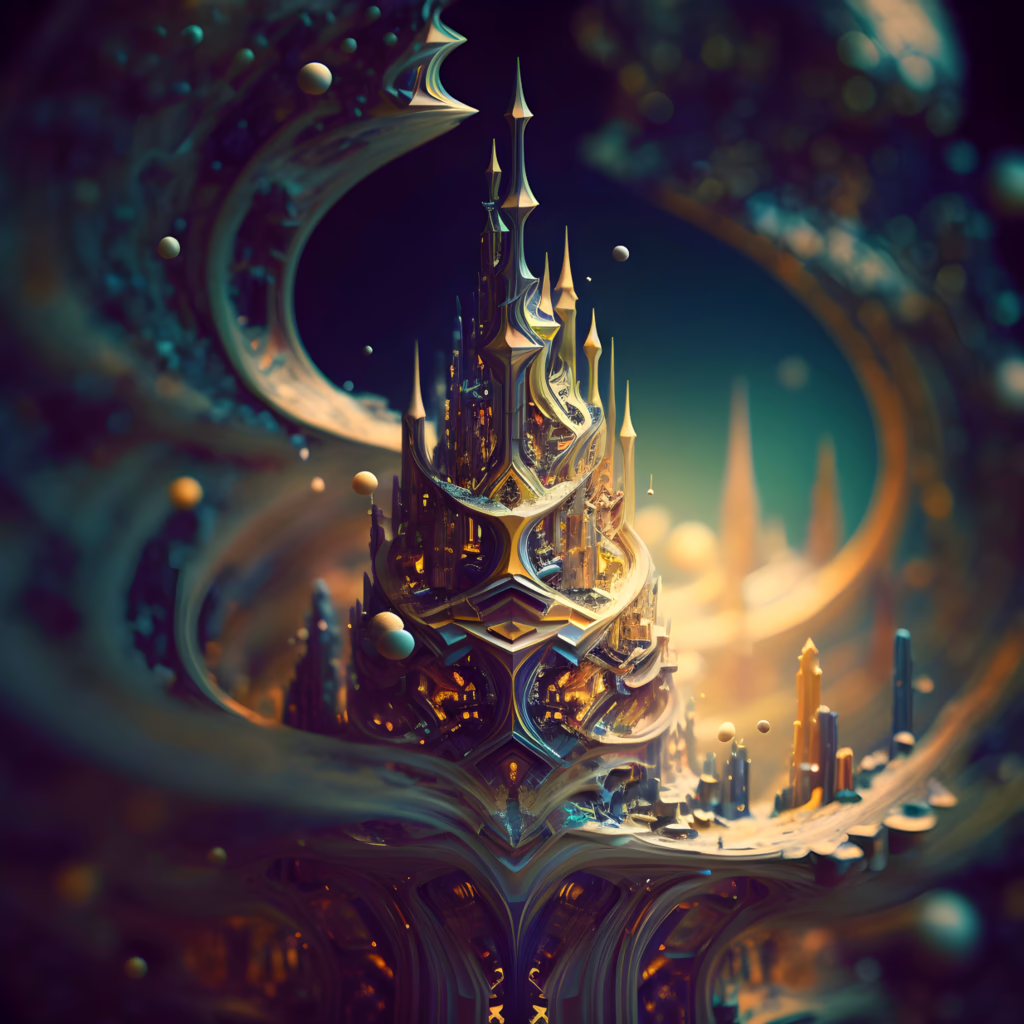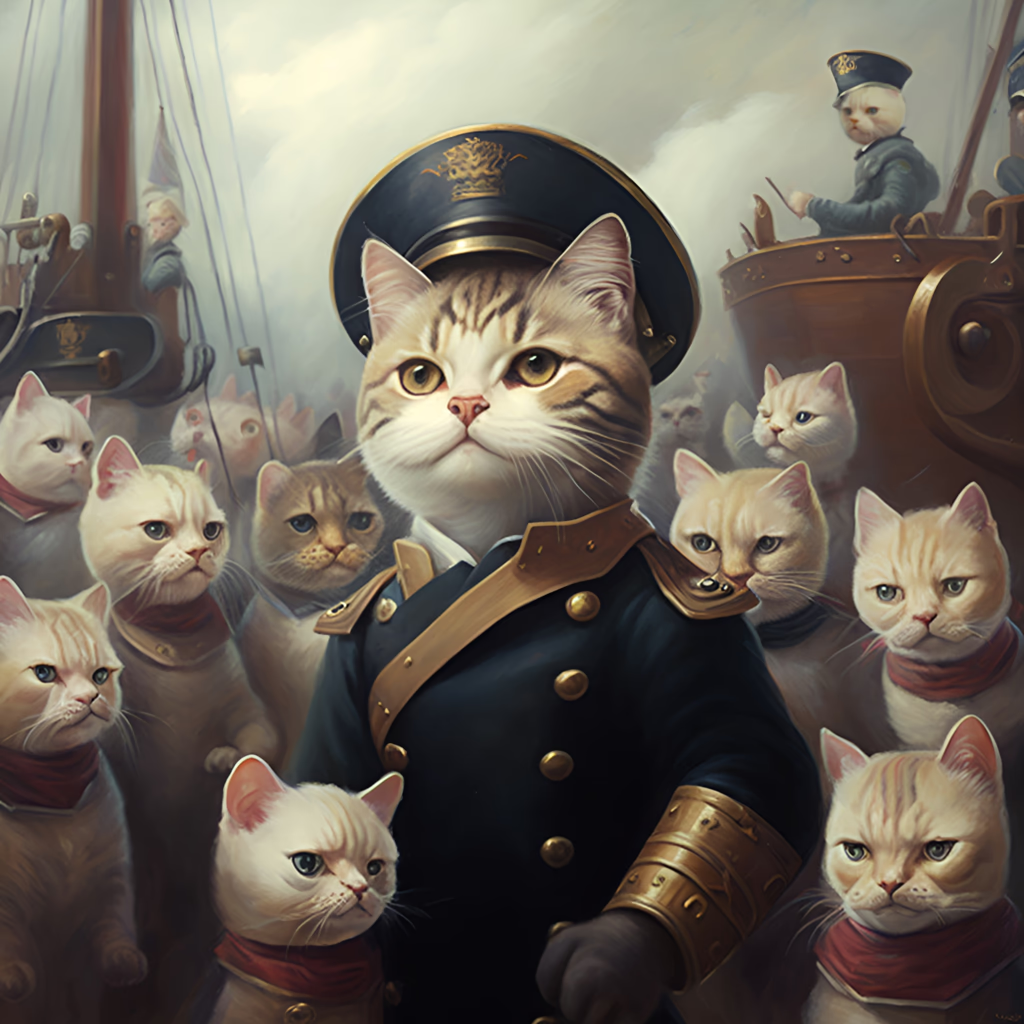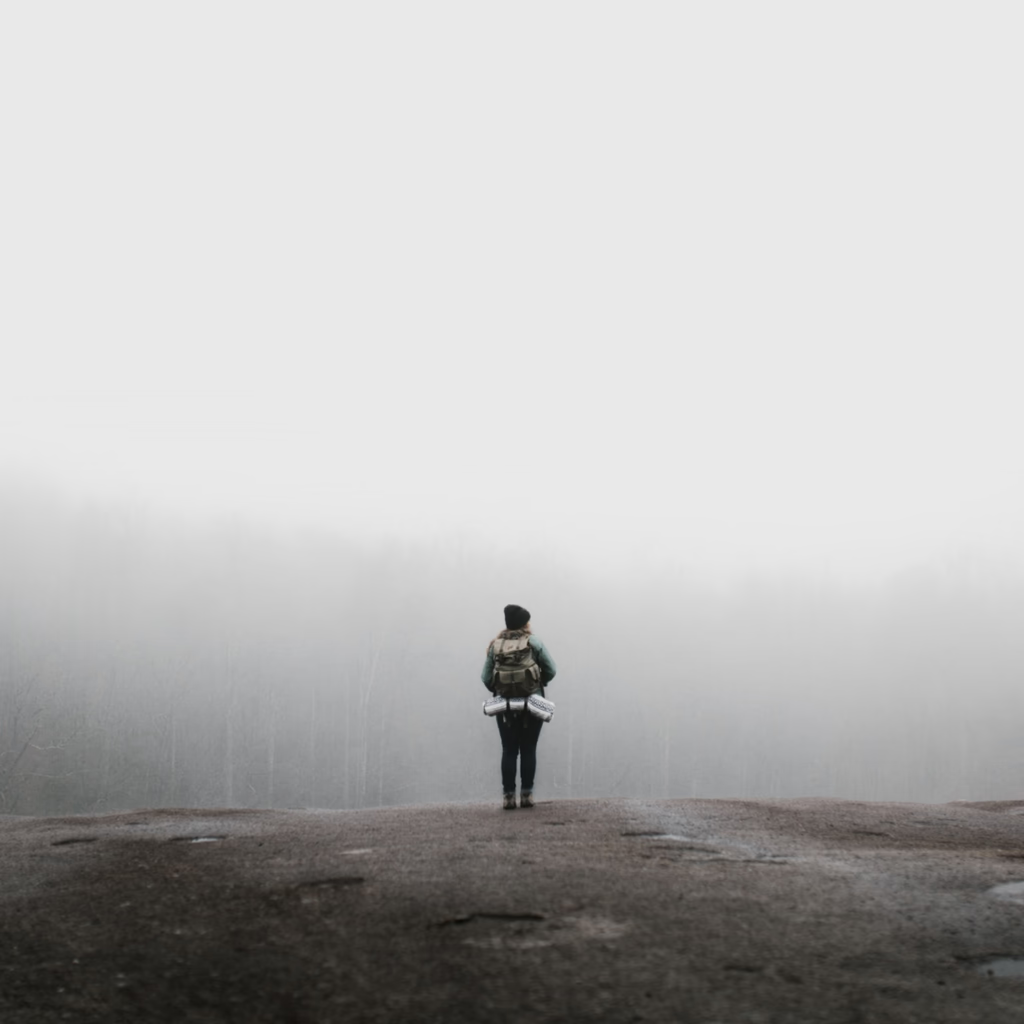
In my first month experimenting with AIâgenerated art, I began by creating simple product images that were successfully approved in two test stores. Initially the output was cute but ordinary; as I progressed through weeks two and three, I pushed the prompts toward more whimsical, emotive compositions, adding color, mystery, alien motifs and large eyes to create âwindows into the soul.â I found that repeatedly instructing the AI to enlarge the eyes produced faces with prominent eyes while often omitting hair and neck. To refine results I combined several samples in Krita or GIMP, adjusted features, then fed five such edits back to the AI for remixing, producing a nonâdeterministic union of styles. This workflowâprompting, minimal manual tweaking, and rapid upâscalingâlets me generate roughly five ready products every 20 minutes, covering items like notepads, magnets, mousepads, and more. By leveraging eâcommerce platforms that allow multiple product variations from a single image, I can produce dozens of physical goods (e.g., 30 images yielding 300 distinct items). Looking ahead, I anticipate galleries embracing AI art will favor unique, surprising pieces over handâpainted works, enabling artists to fill large canvases within a week; thus AI is simply another mediumâlike stencils or collagesâthat can be learned and showcased in everyday spaces such as coffee shops.